


Key Highlights
- President Donald Trump urged Walmart to “eat the tariffs” rather than increase prices, citing the retailer’s significant profits.
- Walmart CEO Doug McMillon confirmed that the company would raise prices due to higher tariffs’ financial impact.
- Over two-thirds of Walmart’s products are U.S.-sourced, but key imports like electronics and toys are heavily affected.
- Higher tariffs introduced by the Trump administration have led to cost increases for retailers nationwide.
- The retail giant indicated that impacted products might include grocery staples such as avocados and bananas.
- Walmart representatives highlighted the “reality of narrow retail margins” in absorbing these increased costs.
Table of Contents
Introduction
The trade war started by the Trump administration is affecting the American economy. President Donald Trump recently said on Truth Social should take on tariff costs instead of making shoppers pay more. However, Walmart, the largest retailer in the U.S., believes the “magnitude of the tariffs” makes this impossible. These higher tariffs are raising retail prices and changing how much people spend. This situation creates big challenges for both companies and families across the country.
Impact of Tariffs on Retail Prices
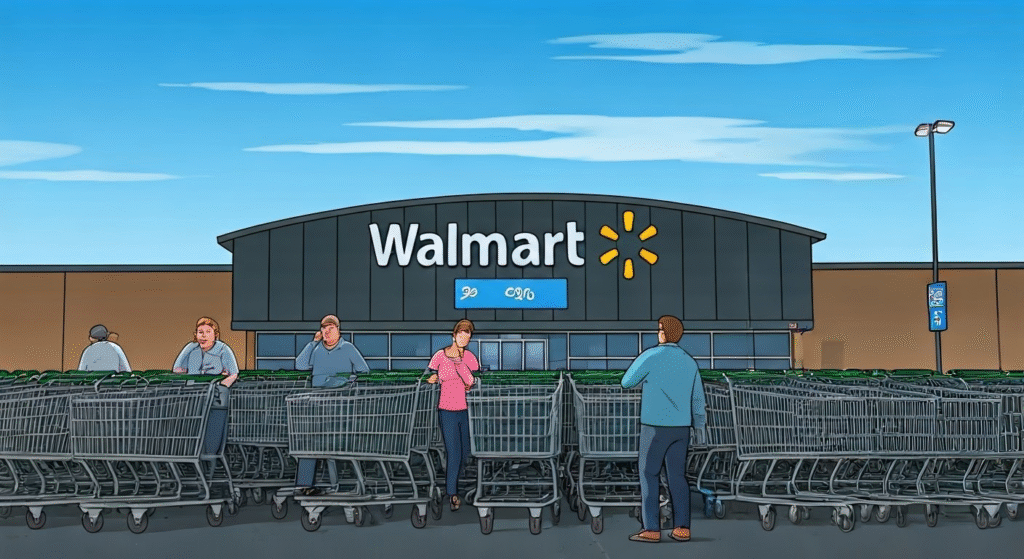
Tariffs act like taxes on imported goods and can hit consumers hard. When the Trump administration raised tariffs on Chinese items, it impacted stores like. These higher tariffs push companies to either pay the extra costs themselves or raise prices for customers.
Walmart has said that it can’t protect customers from all the effects of these new tariffs. With over 4,600 stores in the United States and more than 150 million shoppers, higher prices on important products will affect many people. The company’s leaders noted that small retail profits make it even harder for them to cover the costs caused by the tariffs. This situation shows how policy changes in international trade can have large effects on everyday life.
How Trump’s Tariff Policies Affect Walmart Pricing
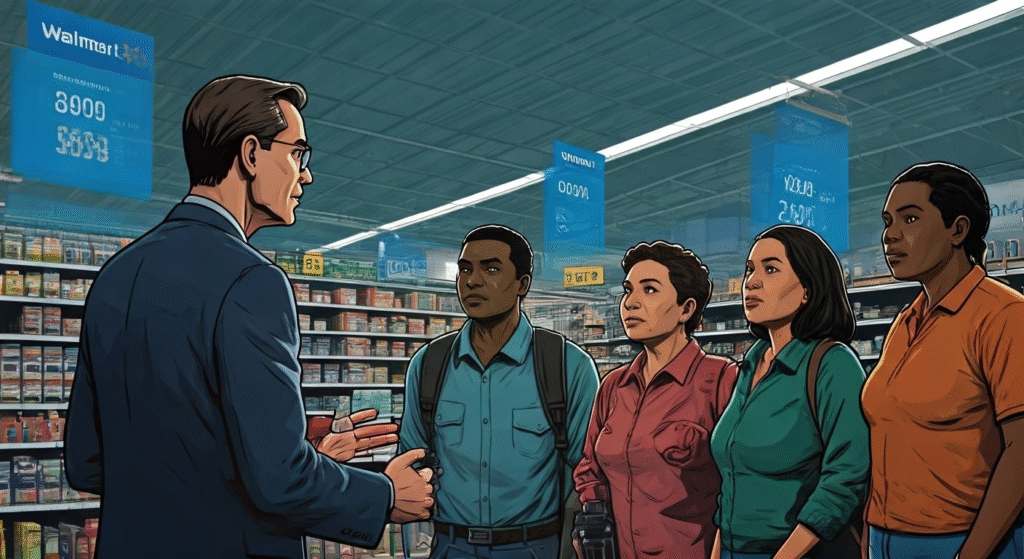
The trade policies from the Trump administration, especially the higher tariffs, have affected Walmart’s pricing. These new duties change the cost of items imported from other countries, like many electronics and toys from China.
John David Rainey, Walmart’s Chief Financial Officer, said these higher tariffs are already impacting the company’s costs. Even though Walmart is trying to keep prices low, Rainey mentioned that they need to adjust prices due to these extra costs.
Walmart CEO Doug McMillon echoed this worry. He noted that even at “reduced levels,” the tariffs are more than Walmart can handle. This situation puts pressure on the retail giant to find a way to protect its customers and deal with the current issues in global trade on its business model.
The Expected Response from Consumers and Market Dynamics
The way consumers react to price increases will likely change the market in the future. When prices go up, shoppers may think more carefully about how and where they spend their money. This is very important for a retail giant like Walmart.
- Price-sensitive consumers might turn to discount brands or buy less of what they do not need.
- Other retailers may try to offer better prices to attract unhappy shoppers.
- There may be a drop in consumer confidence, leading to less spending on non-essentials.
Walmart has said it will work to keep food prices stable. Its leaders are also confident that they can quickly change buying strategies if customers resist price increases. With these challenges, ability to handle changes in the market will decide its long-term success and how people view the brand.
Conclusion
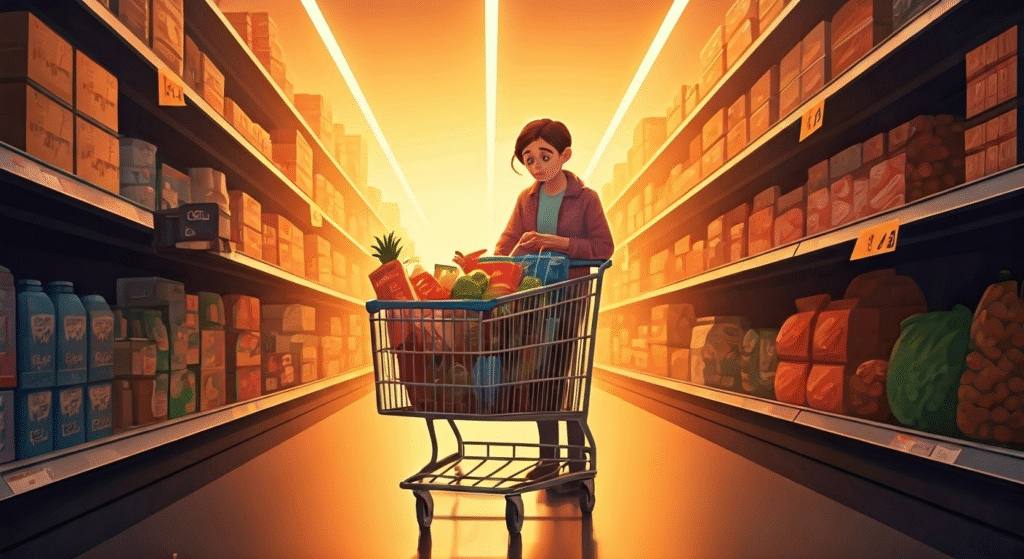
In conclusion, the ongoing discussion about Trump’s advice to Walmart to “eat the tariffs” shows the complicated relationship between retail prices and economic rules. As stores deal with higher tariffs, shoppers might see prices change and the market shift. It’s important for both stores and shoppers to understand these changes as prices respond to outside influences. Being aware of how these rules affect prices can help shoppers make better buying choices. If you want to learn more about this topic or get personal advice, you can contact me for a consultation.
Frequently Asked Questions
What are the implications of tariffs on consumer prices at retailers like Walmart?
Tariffs are like taxes on goods that come from other countries. This means retailers, have to raise their prices to deal with the higher costs. The effect of these tariffs on important items, like electronics and food, leads to price increases. This directly affects how much American families can afford.
What strategies might Store implement to mitigate the impact of tariffs on pricing?
Walmart CEO Doug McMillon stressed the importance of planning ahead. He is focusing on managing price hikes for specific products. Store plans to find substitutes or cut overall product costs to deal with higher costs brought on by tariffs. This way, Walmart can keep aiming for its profit goals for the year, even with the tough trade situation.