


Table of Contents
Key Highlights
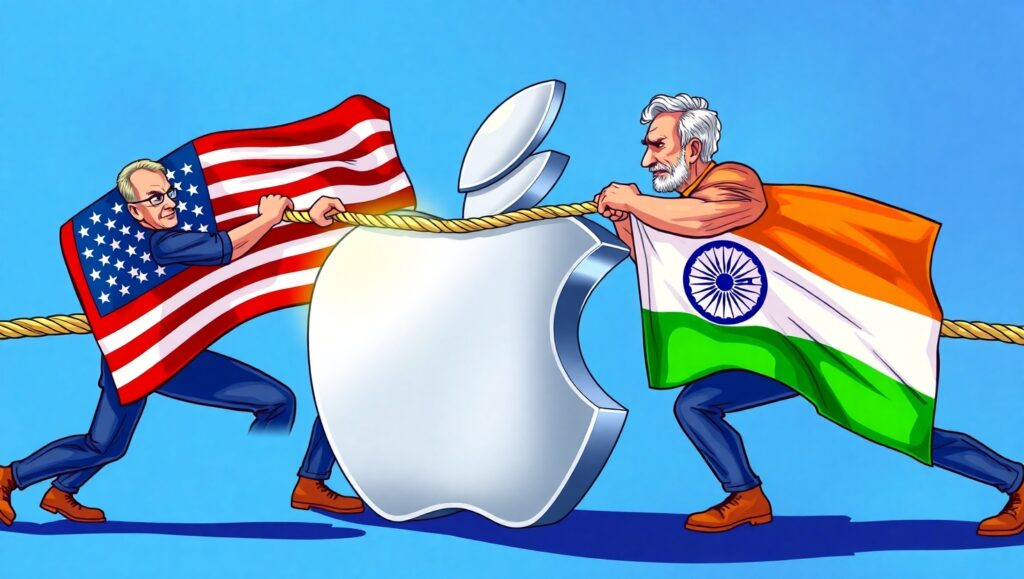
- Donald Trump explicitly told Apple CEO Tim Cook not to build factories in India unless they exclusively cater to the Indian market.
- Trump stated that Apple would increase production in the United States, reducing dependency on foreign manufacturing hubs.
- India offered a deal to remove all tariffs on U.S. goods, but Trump emphasised its high tariffs make market entry difficult.
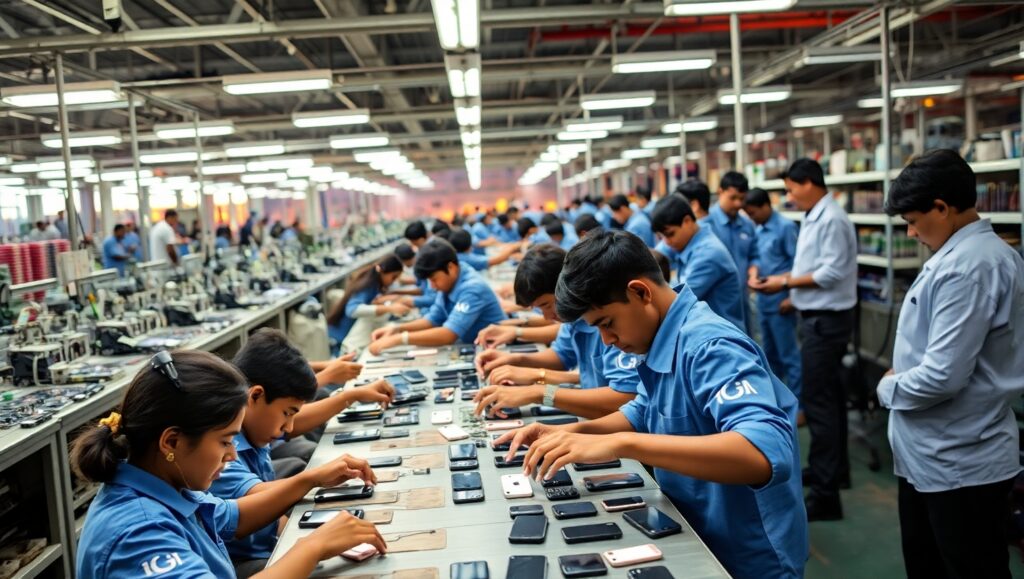
- Apple has intensified production in India, exporting millions of iPhones to the U.S. despite higher production costs.
- Foxconn and Tata contributed significantly to Apple’s Indian exports, setting new records in March.
Introduction
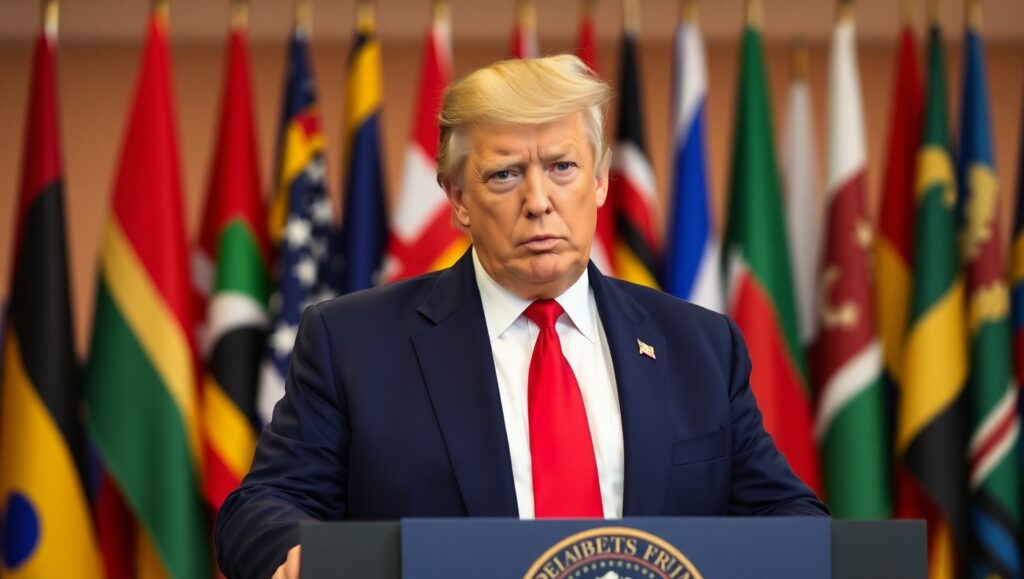
Donald Trump has attracted attention with his strong comments aimed at Apple’s CEO Tim Cook during a meeting with business leaders in Doha, Qatar. Trump said he told Cook that factories should only be built in India for the Indian market. He pointed out India’s high tariffs and was frustrated with Apple’s current manufacturing plans. Under Tim Cook’s leadership, Apple is adjusting to these geopolitical demands and changing its relations with both the United States and India.
Impact of Trump’s Directive on Apple’s Global Expansion Plans
Donald Trump’s direction could change how Apple makes its products around the world. He is discouraging Apple from building factories in India, which makes the company think about putting more resources in the United States. This action goes along with his goal of creating jobs at home and lessening the need for production in other countries, especially China and India.
For Apple, this situation complicates its plan to grow globally. India has become an important place for manufacturing that can serve other markets. However, decisions based on politics can make things less stable. Apple might struggle to find the right balance between saving money and dealing with these political pressures. Tim Cook’s leadership will be crucial in adjusting Apple’s global presence while keeping operations running smoothly and making profits.

Implications for Apple’s Manufacturing Strategy
Apple is at a turning point with its manufacturing strategy. The company is becoming more dependent on factories in India for iPhone manufacturing. This shift is mostly to avoid U.S.-China tariffs. Still, Trump’s recent actions may steer Apple to focus less on India, even though India can meet the demand for consumer electronics worldwide.
China remains a key player in Apple’s production. However, it comes with high tariffs and many political uncertainties. To tackle these issues, Apple has been managing its costs by increasing production in India. But Indian manufacturing costs are still 5-8% higher than those in China, which can create financial stress.
Regarding iPhone production, Trump’s push for more U.S. manufacturing is about more than just tariffs. Apple’s plans, possibly working with Foxconn or Tata, now need to ensure efficiency while keeping products available. Finding a good balance between local and overseas operations may shape Apple’s future as it deals with more political challenges.
Reactions from the Business Community in the US and India
Reaction to Trump’s views on Apple’s plans for India has been mixed among businesspeople. In the United States, many business leaders like his push for making products at home. However, they worry about the higher costs of manufacturing in the country. They feel this fits with Trump’s previous strategies.
In India, business circles are watching Trump’s statement carefully. They see both chances and difficulties ahead. If high tariffs are removed, Apple could quickly boost its position in the Indian market.
- US Perspective: Support for local jobs but concerns that Apple products might become more expensive.
- Indian Perspective: A big opportunity for India’s growing smartphone market if tariffs are completely removed.
- Global Outlook: Companies expect changes in operations and emphasize the need for Apple to be flexible with its global production plan.
This response shows how closely linked politics and business strategy can be.
Conclusion
In short, President Trump’s order to Apple CEO Tim Cook shows how tricky global business can be in a world full of political issues. He is discouraging Apple from opening factories in India unless it helps the Indian market directly. This raises concerns about Apple’s plans and what it means for international relations. This choice could affect how Apple enters the Indian market and change their supply chain. As we see reactions from businesses in both the US and India, it’s important to watch how this decision impacts not just Apple, but the tech world at large. For more information on how these changes could influence your business plans, stay tuned for our next look at this topic.
Frequently Asked Questions
Why did Trump specifically mention India in his directive to Tim Cook?
Donald Trump pointed out India’s high tariffs. These tariffs make it hard for U.S. goods to enter the market. He told Tim Cook to reduce factory work in India. This should only happen if it is for the Indian market. Trump stressed that India needs to “take care of themselves.”
How might this affect Apple’s market in India?
Apple’s business in India could improve a lot if tariffs on U.S. goods are taken away. This would make smartphones more affordable. But, slowing down factory work might hold back growth. Still, India plays a key part in cutting costs compared to China under Tim Cook’s leadership.
What are the potential benefits for the US with such directives?
Trump’s order may help increase local manufacturing and create jobs in America. This could make the supply chain more independent.
| Potential Benefit | Impact |
| Job Creation | More job opportunities in U.S. factories |
| Tariff Reduction | Lower production costs for U.S. companies |
| Economic Growth | Better chances for investment in the country |
Could this decision impact Apple’s supply chain dynamics?
Yes, Apple’s supply chain could be disrupted. Changes in where factories are located can affect how resources are managed and how goods are moved around the world. While making products in different places can lower tariff risks, relying less on India could lead to faster production delays and higher costs for U.S. shoppers.
Are there any precedents of similar directives in US corporate history?
Yes, Trump gave similar instructions to companies while he was in office. He wanted them to set up production facilities in the U.S. His goal was to reduce the dependence on other countries. He also wanted companies’ actions to support American economic goals.