

Table of Contents
Inside Trump’s Tariff Exemptions: Corporate Lobbying Tactics Exposed
In the wake of escalating global trade tensions, Trump Tariffs became a defining feature of U.S. economic policy. Introduced with the intent to boost American manufacturing and reduce trade deficits, these tariffs had far-reaching effects—not only on international partners but also on domestic corporations. However, beneath the patriotic rhetoric of economic nationalism, a different story was unfolding—one marked by aggressive corporate lobbying and selective tariff exemptions.
This article dives deep into how corporate giants maneuvered behind the scenes, securing exemptions from Trump Tariffs, revealing a political game where influence often outweighed economic necessity.
The Birth of Trump Tariffs: Protection or Power Play?
When former President Donald Trump announced sweeping tariffs on steel and aluminum imports in 2018, it was touted as a necessary step to protect American jobs and industries. The Trump Tariffs soon extended to billions of dollars worth of Chinese goods as trade relations soured.
On paper, these tariffs seemed straightforward—punish foreign competition and reward domestic producers. In reality, the impact was far more complex. Many U.S. companies that relied on imported materials found themselves caught in the crossfire. And that’s when the lobbying frenzy began.
The Loophole: Tariff Exemptions
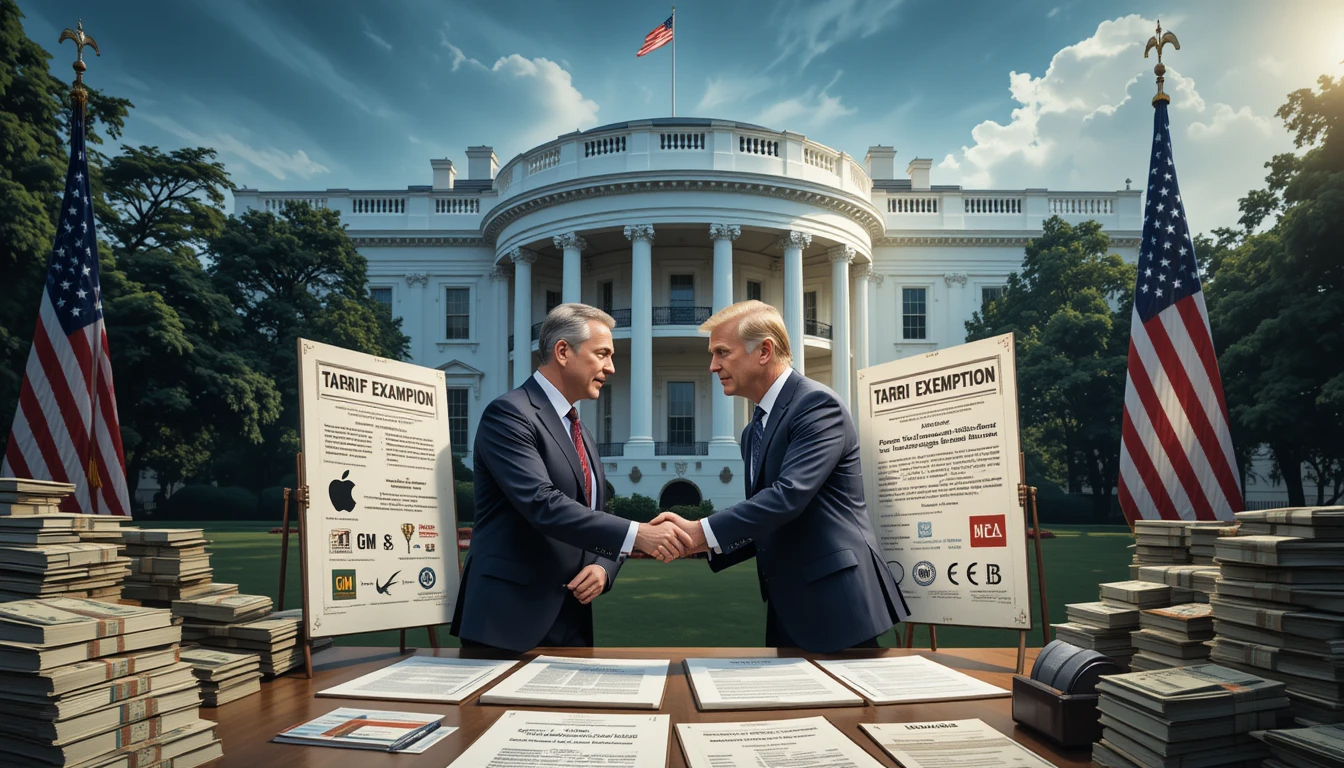
While the Trump Tariffs were rigid in principle, they allowed for an interesting flexibility—exemptions. Companies could file petitions with the U.S. Commerce Department to request relief if they could prove that the products they imported weren’t available domestically or if the tariffs would cause significant economic harm.
This opened the floodgates. Over 100,000 exemption requests were filed, and corporations quickly realized that the real battleground wasn’t in Beijing—but in Washington, D.C.
Corporate Lobbying in Overdrive
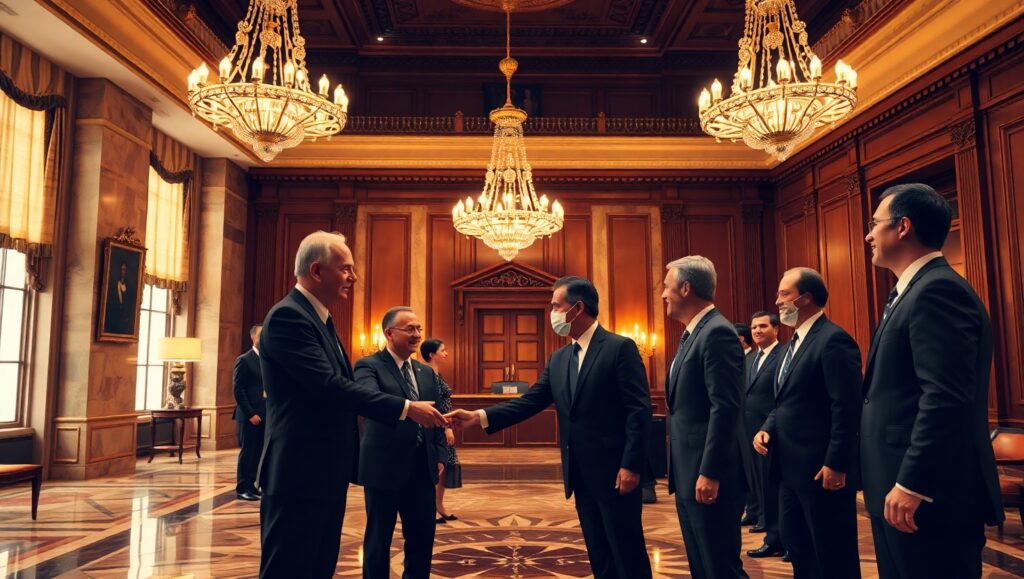
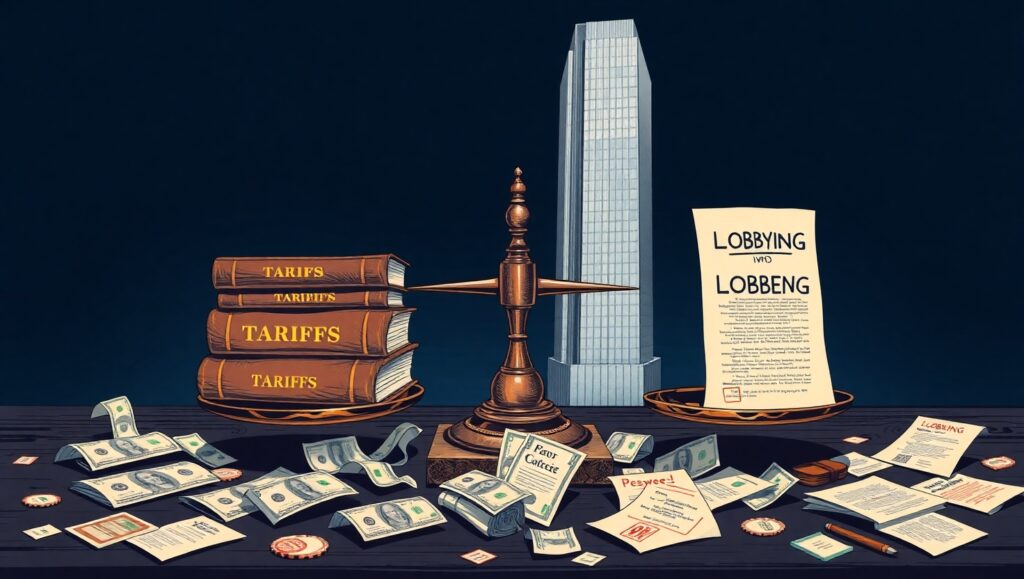
As soon as the Trump Tariffs went into effect, powerful lobbying groups representing industries like automotive, tech, and manufacturing ramped up efforts to influence decision-makers. Multinational corporations hired Washington lobbyists with deep government ties to push for exemptions.
Companies like General Motors, Apple, and Boeing reportedly spent millions lobbying for favorable outcomes. In many cases, their efforts were successful, earning them exemptions that smaller firms—lacking the same political access—could only dream of.
Winners and Losers: The Unequal Game
The Trump Tariffs had uneven consequences. For well-connected companies with lobbying power, exemptions were often a phone call or a strategically crafted letter away. But for small businesses and startups, navigating the bureaucracy was nearly impossible.
This unequal access created a two-tiered system: one where large corporations shielded themselves from the full impact of Trump Tariffs, while smaller competitors bore the brunt of increased costs.
The result? Many smaller manufacturers had to raise prices, lay off workers, or even shut down entirely—ironically contradicting the very goals the tariffs were meant to achieve.

Transparency or Lack Thereof?
One of the biggest criticisms of the Trump Tariffs exemption process was the lack of transparency. Decisions were often made behind closed doors, with little public explanation of why one request was approved while another was denied.
This secrecy fueled suspicions that political influence, rather than economic logic, guided the exemption process. Watchdog groups and investigative journalists later uncovered documents revealing close ties between lobbyists and officials overseeing the tariff policy.
Case Studies: Lobbying Successes
Several case studies highlight just how effective lobbying was in navigating the Trump Tariffs:
- Apple Inc. was granted tariff exemptions for key components of the Mac Pro, manufactured in China, after CEO Tim Cook reportedly met with President Trump.
- General Electric secured exemptions for parts used in medical imaging equipment after extensive lobbying efforts.
- Harley-Davidson, initially hit hard by European retaliatory tariffs, managed to negotiate terms that helped shield its global operations.
Each case underscores the same reality: access to power was often more effective than adapting supply chains or reshoring manufacturing.
The Political Dimension
Trump Tariffs were not just economic tools—they were political instruments. In many cases, exemptions were granted to companies based in politically strategic states or districts, raising questions about electoral motivations behind economic policy.
This pattern fueled criticisms that the tariffs were being used to reward allies and punish dissenters, further politicizing an already controversial policy.
Backlash and Legal Challenges
The fallout from the exemption process didn’t go unnoticed. Several small businesses and trade associations filed lawsuits against the Trump administration, alleging unfair treatment and violations of due process. While some cases are still pending, the legal battles added another layer of complexity to the Trump Tariffs saga.
Furthermore, Congress members from both parties demanded more oversight and transparency, arguing that economic policy should not be shaped in the shadows.

Post-Trump Era: Lingering Effects
Even after Trump left office, the ripple effects of Trump Tariffs continued. The Biden administration kept many of the tariffs in place, while also reviewing the exemption process. Some exemptions were reversed; others were expanded.
However, the precedent had been set: tariffs could be used not just as economic levers, but as tools of political strategy—and corporate lobbying had proven itself as a powerful force in shaping outcomes.
Conclusion: Tariffs, Tactics, and Truth
The story of Trump Tariffs is not just about international trade wars or economic protectionism—it’s also about how power is wielded behind the scenes. Lobbying became a central strategy for companies navigating a chaotic policy landscape, and those who could afford influence often emerged unscathed.
As debates around trade, globalization, and industrial policy continue, the legacy of Trump Tariffs offers a cautionary tale: when economic policy becomes entangled with politics and lobbying, the results often benefit the few—at the cost of the many.
Key Takeaways
- Trump Tariffs were designed to protect U.S. industries but ended up disproportionately affecting those without lobbying power.
- The exemption process lacked transparency and consistency, favoring politically connected firms.
- Corporate lobbying played a central role in shaping who got relief from tariffs—and who didn’t.
- The long-term impact of these policies continues to influence trade discussions in Washington and beyond.