

Table of Contents
Introduction: The Unexpected End of a Wellness Giant
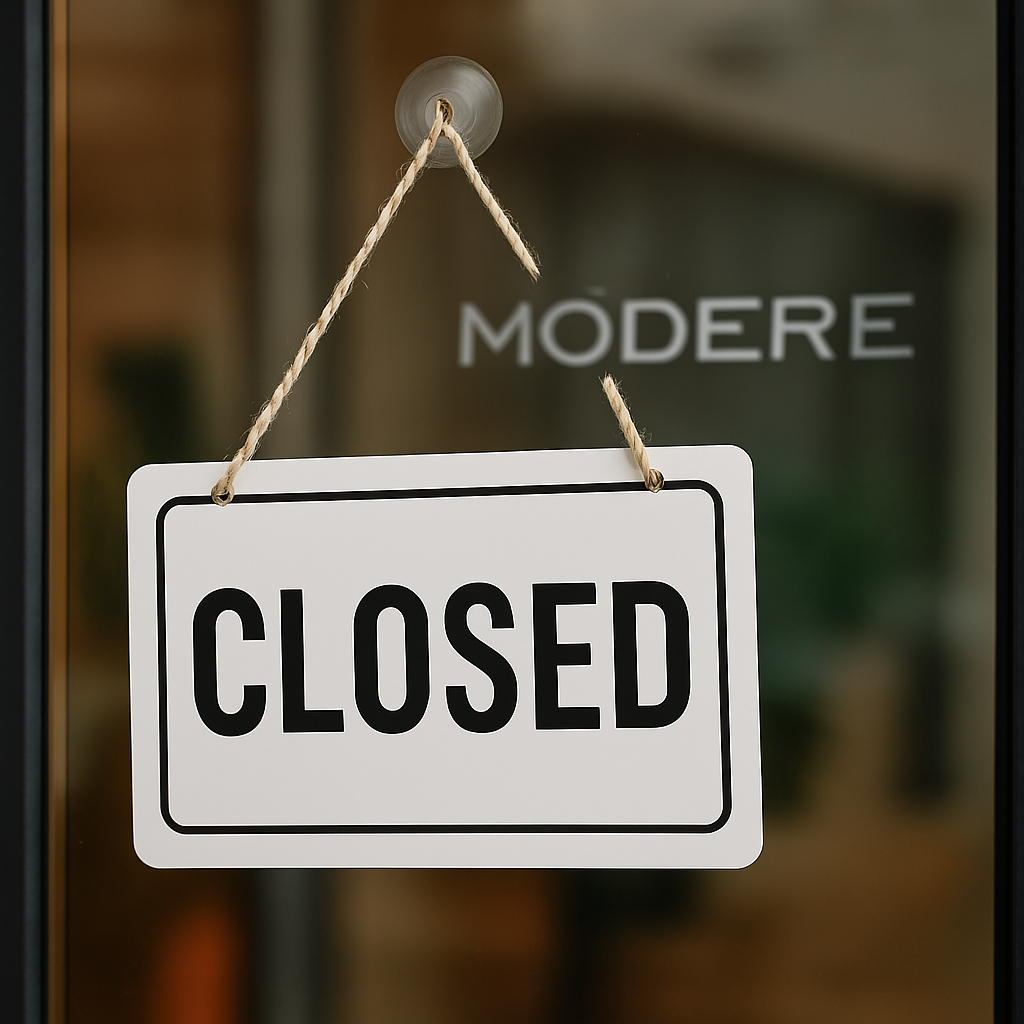
After 23 years in the health and wellness industry, Modere—a brand once hailed for its clean-label products and direct-to-consumer model—has announced its closure. The news came as a shock to loyal customers and brand advocates alike. But what led to the fall of a company that seemed to have it all—innovative products, a strong affiliate network, and a devoted community?
In this blog post, we’ll explore why Modere shut down, what it was known for, and why customers are left feeling disappointed and betrayed. From internal missteps to market competition, this is a deep dive into the rise and fall of Modere.
Welness at a Glance: A Brand Built on “Live Clean”
Founded in 2000, Modere set itself apart with a mission focused on “Live Clean”—a philosophy that emphasized non-toxic, eco-friendly, and health-conscious personal care and nutritional products. Its product line included:
- Collagen supplements
- Weight management shakes
- Skin care products
- Household cleaners
The company targeted a growing market of wellness-focused consumers looking for natural alternatives to everyday products.
Modere’s direct-selling model also attracted thousands of brand advocates (also known as Social Marketers), who earned commissions through referrals and product sales. With an online-first approach and strong community engagement, the company seemed future-proof.

Why Was It Is Popular?
Before discussing its decline, it’s important to understand what made Modere such a powerful brand for over two decades.
1. Science-Backed Collagen Supplements
Modere’s Liquid BioCell was a game-changer in the collagen industry. Backed by clinical trials and patented ingredients, it helped position Modere as a premium brand in the health supplement niche.
2. Clean Ingredients
All of Modere’s products were marketed as free from parabens, sulfates, phthalates, and artificial dyes—earning the brand significant credibility among health-conscious consumers.
3. Direct-to-Consumer and Social Commerce
Modere embraced influencer and affiliate marketing long before it became mainstream. This strategy gave them access to a wide audience while building trust through peer recommendations.
4. Sustainability and Responsibility
From biodegradable packaging to cruelty-free testing, Modere branded itself as eco-friendly and ethical—values increasingly important to Gen Z and millennial consumers.

The Announcement: Shuts Down After 23 Years
In early 2025, Modere’s official channels confirmed what many had feared: the company was shutting down operations permanently. The announcement cited “unforeseen operational challenges” and “economic pressures,” but didn’t provide much clarity.
Loyal customers were taken by surprise, with many expressing frustration over a lack of transparency and short notice. Social media quickly flooded with posts of disappointment, confusion, and concern.
Why Did Its Really Shut Down?
While the company gave limited insight into its closure, several likely factors contributed to the decision.
1. Increased Competition in the Wellness Space
The health and wellness industry exploded in the past decade. New startups, legacy brands, and global giants began offering similar products—many at lower prices or with trendier branding. Modere, once a pioneer, struggled to differentiate.
2. Rising Costs and Economic Slowdown
Inflation, supply chain disruptions, and higher operational costs post-COVID affected many companies. Modere, heavily reliant on consistent product availability and delivery, faced severe logistics hurdles.
3. Brand Fatigue and Lack of Innovation
Despite having a strong foundation, Modere failed to keep pace with evolving consumer preferences. Emerging trends like adaptogens, personalized nutrition, and AI-based wellness apps went largely unaddressed by the brand.
4. Dependence on Social Selling
The rise of stricter regulations around MLM (multi-level marketing) and affiliate programs may have impacted Modere’s revenue model. As platforms like TikTok and Instagram began tightening rules around health claims and commissions, Modere’s outreach may have declined.

Why Are Customers Disappointed?
The sudden shutdown left thousands of customers and social marketers in the dark. Here’s what fueled their disappointment:
1. Unfulfilled Orders and Refund Issues
Many customers reported placing orders just days before the closure, only to receive no shipment or refund. This created an atmosphere of distrust and resentment.
2. No Clear Communication
The announcement came without a clear transition plan or FAQ. Customers were left with questions about product availability, warranties, and future purchases.
3. Loss of Income for Brand Advocates
Thousands of social marketers who depended on Modere as a side income or full-time job found themselves abruptly out of business. Many had invested in building their customer base and content, with no warning that the brand would disappear.
4. No Replacement Products
Modere’s collagen and wellness products had a dedicated following. With their sudden disappearance, loyal customers now face the challenge of finding replacements that match both quality and values.
Customer Voices: Real Reactions from the Community
Social media tells the real story. Here are some paraphrased reactions from Modere customers and advocates:
“I’ve been using Modere’s collagen for five years. I don’t know what I’ll switch to now. I feel completely blindsided.”
— @wellnessgal88
“I just got my team to 100 active customers. This news destroyed my momentum. No support, no explanation. Just gone.”
— @healthcoachjay
“Modere was more than products—it was a community. This hurts on a personal level.”
— @cleanbeautyqueen
What Can We Learn from Modere’s Closure?
Modere’s story is a cautionary tale. Even the most promising brands can fall if they fail to adapt to market changes and maintain transparency with customers. Here are a few lessons:
- Customer Trust is Fragile: Brands need consistent, transparent communication—especially during a crisis.
- Innovation is Key: No matter how successful a product line is, it needs to evolve with consumer preferences.
- Over-Reliance on Affiliate Marketing Can Be Risky: A diversified marketing and revenue model offers more protection in uncertain times.

Alternatives to Modere: What Customers Can Try Now
If you’re a former Modere customer, here are a few reputable brands offering similar clean-label wellness products:
| Category | Alternatives |
|---|---|
| Liquid Collagen | Vital Proteins, Ancient Nutrition |
| Clean Skincare | The Ordinary, Drunk Elephant, Youth to the People |
| Household Cleaners | Grove Collaborative, Seventh Generation |
| Weight Management | Organifi, Ka’Chava, Garden of Life |
Always read the labels and third-party testing reports before switching to new supplements.
Final Thoughts: A Bittersweet Goodbye
Modere’s closure marks the end of an era in wellness marketing. While its departure leaves a gap in the lives of loyal customers, it also presents an opportunity to reflect on what truly defines a resilient brand—transparency, innovation, and a customer-first approach.
As consumers, we’re reminded to be conscious not just of what we buy, but who we buy from. And as aspiring entrepreneurs or marketers, Modere’s journey teaches us the importance of adapting, communicating, and putting values before vanity.