

Table of Contents
I. Introduction
S&P Global Ratings has delivered a surprising upgrade to India’s investment outlook, demonstrating remarkable confidence in the nation’s economic trajectory despite mounting global uncertainties. This bold move comes at a time when international trade tensions are escalating and concerns about protectionist policies continue to dominate financial headlines.
India’s economic resilience has become a beacon of stability in an increasingly volatile global landscape. The country’s ability to maintain steady growth while navigating complex geopolitical challenges has impressed rating agencies and investors alike. Despite concerns surrounding potential Trump tariffs and their impact on emerging markets, S&P’s decision reflects a deep understanding of India’s unique economic fundamentals and structural advantages.
The upgrade signals that India’s economy possesses inherent strengths that can withstand external pressures, including potential trade disruptions from major trading partners. This development has sparked renewed interest among global investors who are seeking stable opportunities in uncertain times.
II. S&P’s Historic Rating Upgrade
A. Breaking Down the Upgrade
S&P Global Ratings elevated India’s long-term foreign currency sovereign credit rating, marking a significant milestone in the country’s financial journey. The upgrade reflects improved fiscal metrics, enhanced economic stability, and stronger institutional frameworks that have evolved over recent years.
The rating agency highlighted India’s consistent performance across multiple economic indicators, demonstrating the country’s ability to maintain growth momentum despite global headwinds. This upgrade places India in a more favorable position among emerging market economies, potentially attracting increased foreign investment flows.
B. Key Factors Behind Decision
GDP Growth Projections
S&P’s decision was heavily influenced by India’s robust GDP growth projections, which continue to outpace many developed and emerging economies. The rating agency recognized India’s potential to sustain growth rates that significantly exceed global averages, driven by strong domestic demand and favorable demographic trends.
The economic fundamentals supporting these projections include expanding manufacturing capabilities, growing services sector, and increasing digitalization across various industries. These factors collectively contribute to a growth trajectory that remains resilient even in the face of external challenges.
III. Trump Tariff Threat Analysis
A. Potential Tariff Scenarios
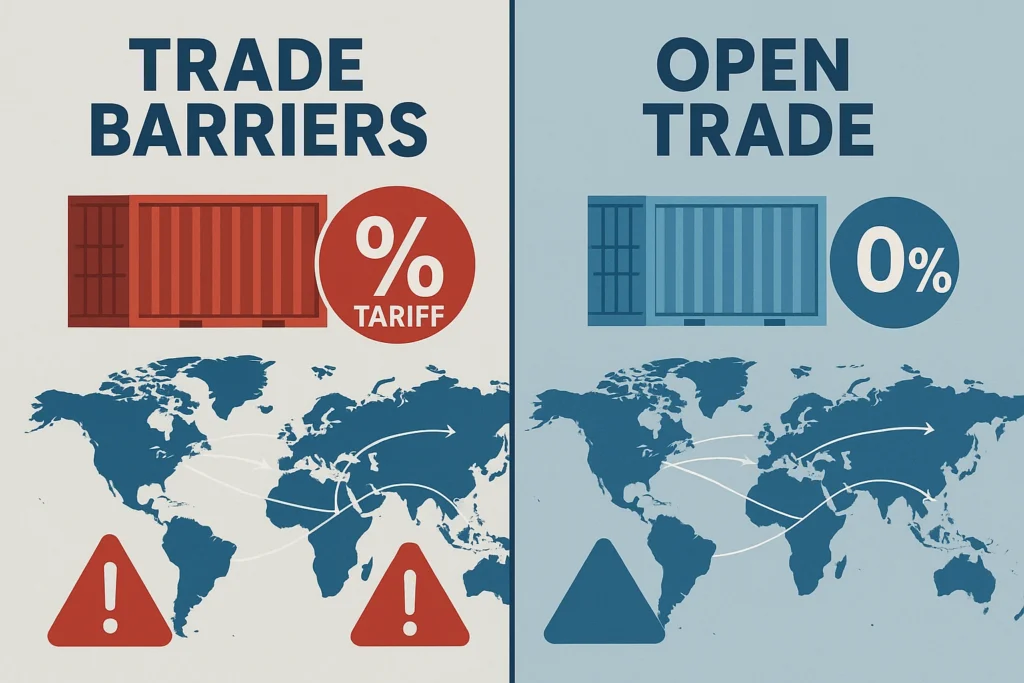
The specter of Trump tariffs looms large over global trade relationships, with various sectors potentially facing increased barriers to market access. Historical precedents suggest that such measures could significantly impact international trade flows, particularly affecting countries with substantial export dependencies.
Sectors at Risk
Several key Indian industries could face challenges if tariff rates were to increase substantially. Technology services, pharmaceuticals, and textiles represent sectors that have historically been sensitive to trade policy changes. However, India’s diversified economic base provides some protection against concentrated risks in any single sector.
Historical Precedents
Previous trade disputes have shown that emerging markets can adapt to changing trade dynamics through strategic policy adjustments and market diversification. India’s experience during past trade tensions demonstrates the country’s ability to maintain economic stability while navigating complex international trade environments.
B. Market Concerns vs Reality
Initial Market Reactions
Financial markets initially responded with caution to discussions about potential Trump tariffs, reflecting investor concerns about trade disruptions. However, deeper analysis reveals that India’s economic structure provides significant insulation against such external shocks.
Long-term Implications
The long-term implications of trade policy changes are often less severe than initial market reactions suggest. India’s growing domestic market and diversified export base create multiple pathways for sustained economic growth, regardless of specific trade policy developments.

IV. 3 Ways S&P Defies Trump Tariff Fear
Way #1: Domestic Consumption Strength
Internal Market Resilience
India’s massive domestic market serves as a powerful buffer against external trade disruptions. With over 1.4 billion consumers, the country possesses one of the world’s largest internal markets, providing businesses with substantial growth opportunities independent of export performance.
Consumer Spending Data
Consumer spending patterns in India demonstrate remarkable resilience, with middle-class expansion driving sustained demand across various sectors. This internal consumption strength reduces the economy’s vulnerability to external trade shocks, including potential impacts from reciprocal tariffs that might emerge from trade disputes.
The growing purchasing power of Indian consumers creates a self-sustaining economic cycle that supports business growth and employment generation, making the economy less dependent on export markets that might face tariff rates increases.
Way #2: Diversified Export Portfolio
Beyond US Markets
India’s export strategy has evolved to include multiple geographic markets, reducing dependence on any single trading partner. This diversification provides protection against potential disruptions in specific bilateral trade relationships.
Emerging Trade Partnerships
New trade partnerships and economic cooperation agreements have expanded India’s market access opportunities. These relationships create alternative channels for economic growth that can offset potential impacts from reciprocal tariffs or other trade restrictions.
The development of South-South trade corridors and enhanced cooperation with European Union markets provide additional avenues for economic expansion, demonstrating India’s strategic approach to international trade diversification.
Way #3: Structural Economic Reforms
Digital Transformation
India’s digital transformation initiatives have created new economic sectors and enhanced productivity across traditional industries. This technological advancement provides competitive advantages that transcend traditional trade barriers and tariff rates considerations.
The digital economy’s growth has reduced India’s dependence on conventional export models, creating service-based revenue streams that are less susceptible to physical trade restrictions. This transformation supports S&P’s confidence in India’s long-term economic prospects.
V. Investment Implications
A. Market Opportunities
The S&P upgrade opens new investment opportunities across various sectors of the Indian economy. International investors are likely to view India more favorably, potentially leading to increased capital flows and enhanced market liquidity.
B. Risk Assessment
Despite the positive rating upgrade, investors should maintain awareness of potential risks, including possible impacts from changing global trade policies. However, India’s diversified economic base and strong domestic market provide substantial risk mitigation factors.
C. Expert Predictions
Financial experts anticipate that India’s upgraded rating will attract increased foreign investment, particularly in infrastructure and technology sectors. The country’s ability to maintain growth momentum despite external pressures reinforces confidence in its long-term economic trajectory.
VI. Conclusion & Future Outlook
Summary of Key Insights
S&P’s rating upgrade for India demonstrates the country’s remarkable economic resilience and structural advantages. The three key factors – domestic consumption strength, diversified export portfolio, and structural economic reforms – provide a solid foundation for sustained growth despite potential external challenges.
What Investors Should Watch
Investors should monitor India’s continued progress in digital transformation, infrastructure development, and trade diversification. These factors will likely determine the country’s ability to maintain its positive economic trajectory in an evolving global environment.
The S&P upgrade presents an opportune moment for investors to consider India as a key component of diversified investment portfolios. The country’s demonstrated resilience and growth potential make it an attractive destination for both short-term and long-term investment strategies.
As global trade dynamics continue to evolve, India’s multifaceted approach to economic development positions it well to capitalize on emerging opportunities while managing potential risks from changing international trade policies.