

Table of Contents
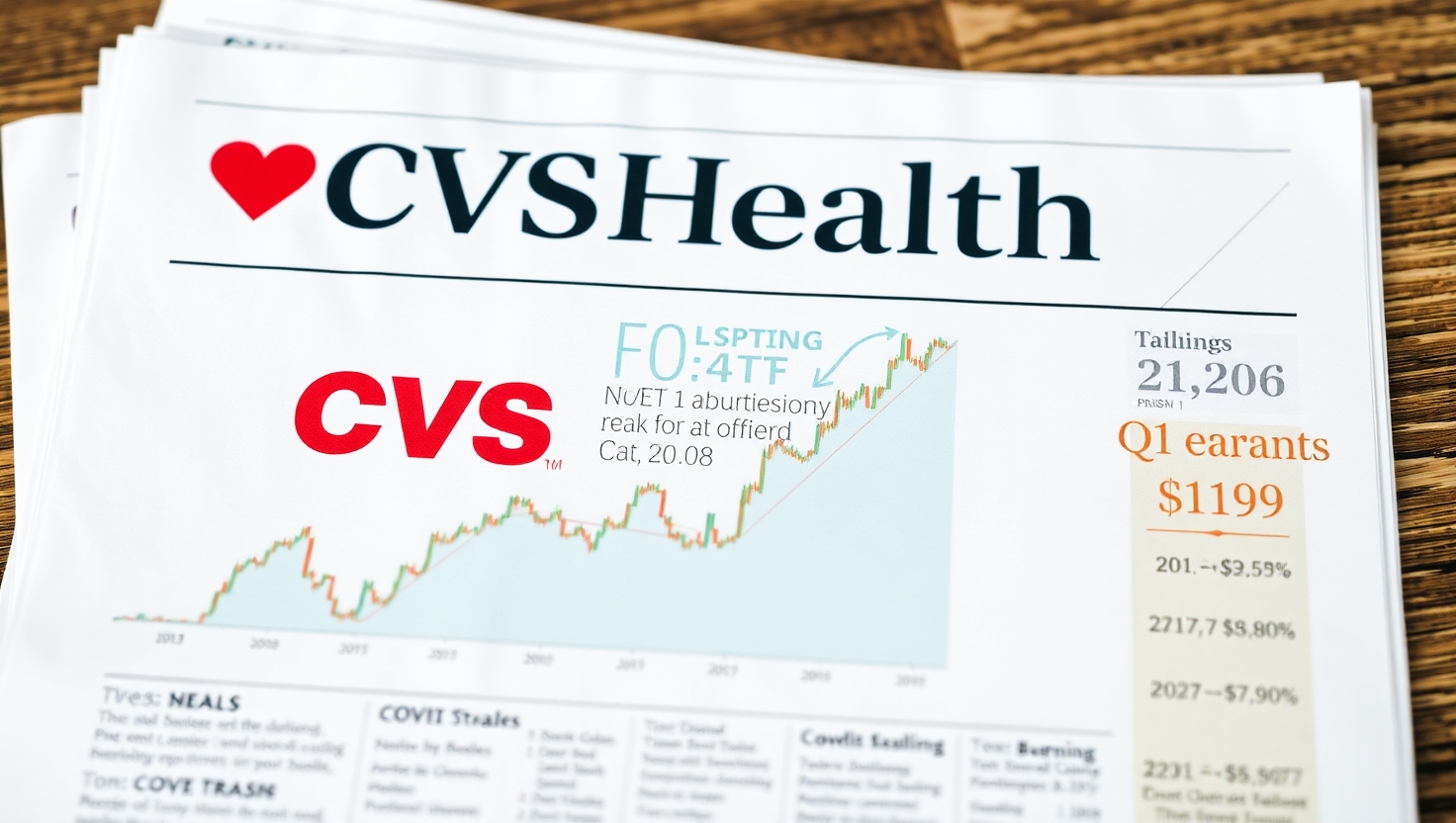
CVS Q1 earnings have kicked off 2025 with a strong beat, giving investors reason to be optimistic. On Thursday, Health released its first-quarter earnings report, surpassing Wall Street’s expectations in both revenue and profit. This performance was largely attributed to improved cost controls, strategic moves in weight management, and positive momentum in the company’s insurance arm.
The healthcare giant also revised its full-year 2025 guidance upwards, signaling confidence in sustained growth. Despite ongoing legal battles and macroeconomic headwinds, CVS Q1 earnings reveal a company executing a thoughtful turnaround strategy under new leadership.
CVS Q1 Earnings at a Glance
In the first quarter of 2025, posted adjusted earnings per share of $2.25, significantly outpacing Wall Street’s estimate of $1.70. Revenue reached $94.59 billion, compared to analysts’ forecast of $93.64 billion. This marked a 7% increase from the same period in 2024 and is a strong indicator of healthy operations across CVS’s diverse business units.
Unsurprisingly, the robust CVS Q1 earnings sent the stock surging nearly 7% in premarket trading on Thursday.

Revised 2025 Outlook: A Positive Signal
Reflecting the strength of the CVS Q1 earnings, the company raised its full-year 2025 adjusted earnings per share guidance to between $6.00 and $6.20, up from the previous range of $5.75 to $6.00. This revision highlights the company’s growing confidence in its financial trajectory, even as it remains cautious due to lingering economic uncertainties.
However, revised its GAAP diluted EPS guidance lower. This was due to legal charges involving its subsidiary, Omnicare, which was recently found liable in a court case related to dispensing medications without valid prescriptions. CVS has stated its intention to appeal the decision.
Strong Insurance Unit Performance Eases Concerns
The insurance division, operating under the Aetna brand, was under scrutiny following disappointing results from competitors like UnitedHealth. Investors were wary of rising medical costs, particularly among Medicare Advantage plans. However, CVS Q1 earnings delivered a surprise with improvements in this area.
Aetna’s medical benefit ratio (MBR) — a key metric measuring the cost of medical services against premiums earned — dropped to 87.3% in Q1 2025, down from 90.4% the year before. A lower MBR indicates higher profitability. This metric aligns with peers like Humana, suggesting is effectively managing claims and healthcare utilization.
CVS attributed this improvement to higher star ratings for its Medicare Advantage plans, which lead to enhanced payments from Medicare. Additionally, exiting the Affordable Care Act (ACA) marketplace gave CVS greater control over risk pools and medical cost management.
Weight-Loss Market: Strategic Moves for Long-Term Growth
A notable element of the CVS Q1 earnings call was the company’s strategic pivot in the weight-loss drug market — a space that’s heating up. Announced that starting July 1, 2025, it will list Novo Nordisk’s Wegovy as the preferred weight-loss drug on its formulary, excluding Eli Lilly’s Zepbound.
This decision, under CVS Caremark, its powerful pharmacy benefit manager with a 27% market share, effectively makes Wegovy the go-to prescription for weight-loss therapy across its member network. The company aims to combine the drug with a lifestyle and clinical support program under its CVS Weight Management initiative.
Furthermore, CVS is the first retail pharmacy chain to partner with NovoCare, Novo’s direct-to-consumer platform. This partnership will expand access to Wegovy across more than 9,000 CVS locations nationwide, boosting both convenience and affordability for eligible patients.
These strategic moves could prove to be a major revenue driver going forward, as the weight-loss industry continues to grow rapidly.
Segment-by-Segment Breakdown of CVS Q1 Earnings
Insurance Segment
Revenue in the insurance segment reached $34.81 billion in Q1 2025 — an 8% increase year-over-year. Analysts had expected $33.51 billion. Adjusted operating income surged to $1.99 billion, nearly triple the $732 million posted during the same period in 2024. These figures reflect solid execution and a better handle on rising medical costs.
Despite these positives, report a $431 million charge from premium deficiency reserves, accounting for anticipated losses in its 2025 coverage year. Still, the unit showed remarkable improvement, validating the restructuring efforts introduced in late 2024.
Retail Pharmacy and Consumer Wellness
The retail pharmacy and wellness division generated $31.91 billion in revenue — an 11% increase from Q1 2024. However, the figure fell short of Wall Street expectations of $35.27 billion. This underperformance was largely due to lower reimbursement rates and decreased discretionary spending by consumers.
Nonetheless, the segment continues to play a crucial role in CVS’s ecosystem, especially as demand for prescriptions, vaccines, and diagnostic services remains high.
Health Services (Caremark)
CVS’s health services arm, which includes the pharmacy benefit management giant Caremark, recorded $43.46 billion in revenue. Although slightly below the anticipated $43.64 billion, the unit showed year-over-year growth of nearly 8%.
Caremark remains central to long-term strategy, as it negotiates drug pricing and formulary structures that drive significant revenue and cost savings for both clients and the company.
Leadership and Restructuring: A Turnaround in Motion
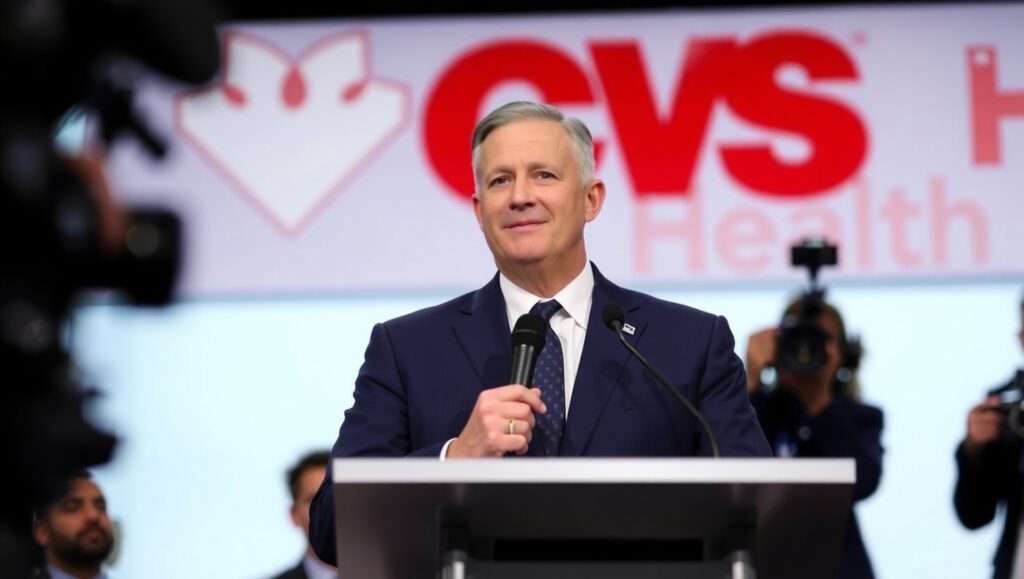
The CVS Q1 earnings mark the second full quarter under new CEO David Joyner, who replaced Karen Lynch in October 2024. Joyner has emphasized disciplined market participation and a smarter, more data-driven approach to insurance and pharmacy operations.
He explained to CNBC that CVS anticipated higher medical cost trends and adjusted its plans and budgets accordingly. “We got smarter about the markets we wanted to compete in,” Joyner said, referencing a significant executive reshuffling that also installed new leadership in the insurance division.
Part of the turnaround plan includes $2 billion in cost cuts over several years, aimed at boosting long-term profitability.
Tariff Concerns and Forward Guidance
CVS is also keeping an eye on potential policy changes, particularly tariffs on pharmaceutical imports that could be introduced by the Trump administration. Joyner noted that the majority of front-of-store retail products are domestically sourced, which may help buffer against any negative effects.
Despite the strong CVS Q1 earnings, the company is taking a cautious stance for the rest of the year. Higher-than-expected medical costs and broader macroeconomic challenges remain on the radar, and CVS has declined to issue a full-year revenue forecast.

Legal Setback: Omnicare Charges Loom
One black mark on the otherwise positive CVS Q1 earnings report involves Omnicare, a CVS subsidiary. A jury found Omnicare liable for dispensing medications without proper prescriptions to vulnerable populations. The incident could cost CVS in legal fees and damages, although the company intends to appeal the decision.
This issue is partly why GAAP earnings guidance was lowered, despite strong adjusted figures. It serves as a reminder that legacy legal issues can still present financial and reputational risks for large healthcare conglomerates.
Net Income and Final Tally
CVS reported net income of $1.78 billion, or $1.41 per share, compared with $1.12 billion, or 88 cents per share, in Q1 2024. Adjusted for one-time items, earnings stood at $2.25 per share.
Total revenue for Q1 2025 was $94.59 billion, driven by growth in all three major business segments. These figures clearly indicate that CVS Q1 earnings reflect not just recovery, but renewed momentum.
Final Thoughts: A Strong Start Amid Challenges
In summary, the CVS Q1 earnings exceeded expectations and reflected thoughtful strategic shifts. From stronger insurance performance to bold moves in weight-loss treatments, the company is signaling a willingness to innovate and evolve.
Legal issues and economic headwinds still loom, but with a renewed focus on profitability, cost controls, and leadership stability, CVS appears well-positioned to navigate the future. Investors and analysts alike will be watching to see how the rest of the year unfolds, but for now, the CVS Q1 earnings offer solid proof that the company’s turnaround is gaining traction.