


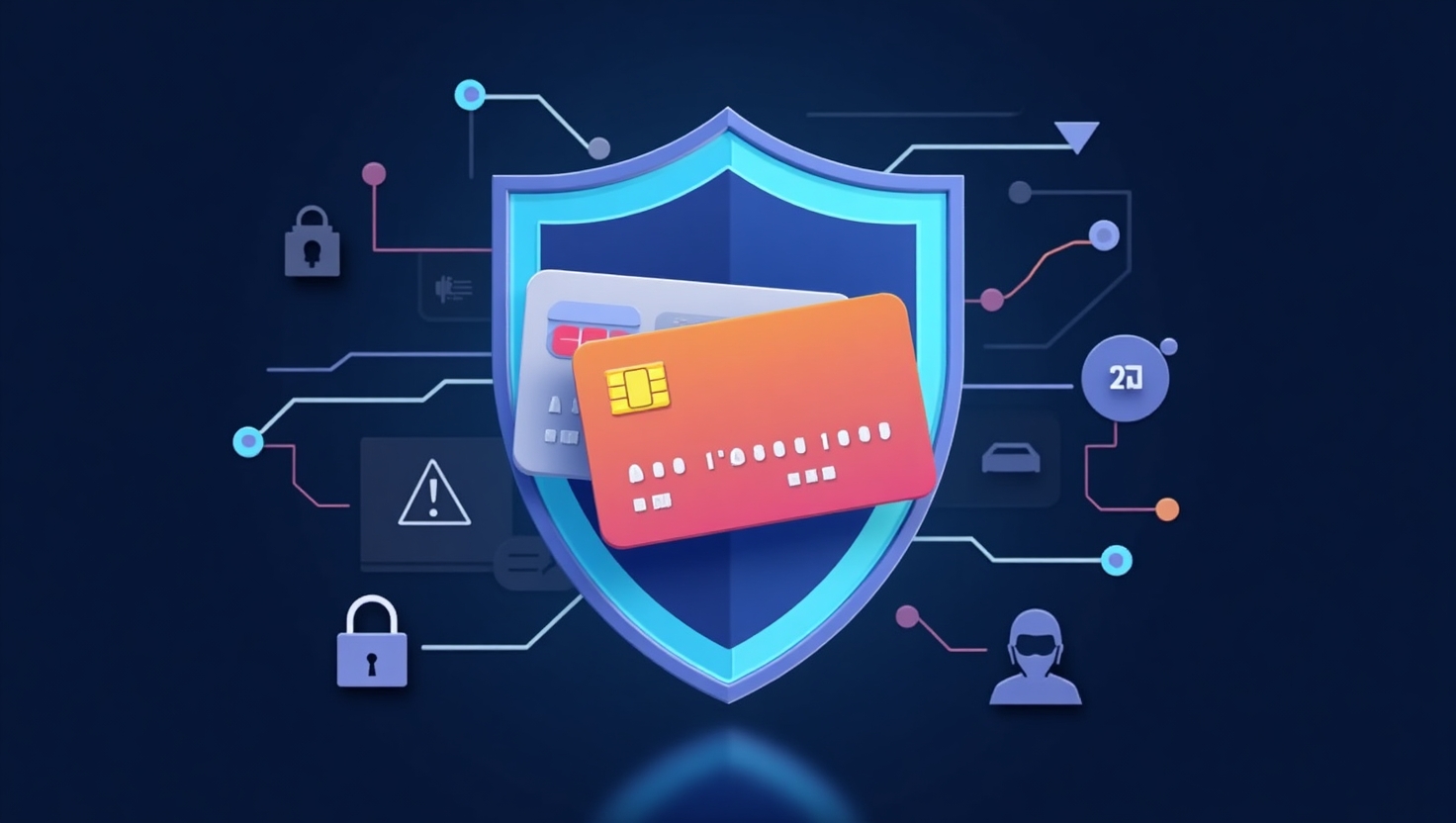

Credit cards are now an integral part of day-to-day financial transactions in this era of computers. Along with their increased use, so does the threat of Credit Card Fraud. Computer hackers continuously develop new ways to steal financial and personal data, and billions of dollars are stolen every year. Through skimming, phishing, or data breaches, scammers take advantage of loopholes to steal your credit card details without your knowledge.
The most common type of identity theft is credit card fraud,
as the Federal Trade Commission (FTC) report points out. In order to protect
yourself, you must know various types of credit card fraud, know warning signs,
and take measures to prevent.
Most Common Credit Card Scams
Thieves use a number of different techniques to steal credit card information. Some of the most popular types of Credit Card Fraud are as follows:
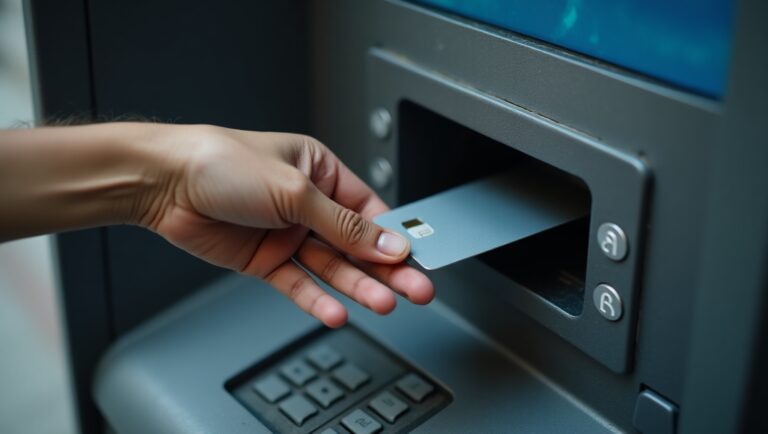
1. Card Skimming : Crooks install hidden card skimmers on ATMs or POS devices to capture card data. Once you swipe your card, the device captures its data, allowing scammers to create fake cards.
2. Phishing Scams : Phishing is where scammers send fake emails, SMS, or calls pretending to be your bank or some company. They scam you into surrendering sensitive data such as your card number, CVV, or OTP.
3. Identity Theft : Hackers steal your personal information during data breaches and use it to obtain new credit cards in your name, running up debts against you that you did not create.
4. Lost or Stolen Cards : If your physical card falls into the wrong hands, criminals can use it to make unauthorized purchases before you even realize that it’s missing.
5. Fake E-commerce Websites : The scammers set up imposter sites that resemble actual online shops. When you provide your card information to purchase an item, the data is stolen.

Warning Signs of Credit Card Fraud
Early detection of Credit Card Fraud can minimize financial losses. Keep an eye out for these warning signs:
Unrecognized transactions on your credit card statement.
Strange phone calls from your bank regarding payments you never made.
Declined transactions despite sufficient credit limit.
Password change reminders or messages that you did not send.
Illegal account changes like an altered mailing address.
Receiving OTPs or notices for transactions that you never attempted.
If you see any of these warning signs, act right away to avoid further damage.
How to Prevent Credit Card Fraud
Preventing Credit Card Fraud requires proactive measures to secure your financial data. Here are some effective ways to safeguard your credit card:
1. Enforce Strong Passwords and Two-Factor Authentication (2FA)
Use strong passwords for your banking apps and activate 2FA for that extra security.
2. Review Your Credit Card Statements Closely
Periodically review your transactions history and report any suspicious activity immediately.
3. Don’t Make Payments through Public Wi-Fi
Public networks can be hacked into. You must always pay via a secure internet connection.
4. Watch Out for Phishing Attacks
Never click on suspicious links in emails or messages claiming to be from your bank.
5. Pay Online via Virtual Credit Cards
Most banks issue virtual credit cards, which provide temporary numbers for single use, minimizing the threat of data pilferage.
6. Activate Transaction Alerts
Enable SMS and email alerts for every purchase made with your credit card.
7. Utilize Secure and Stable Payment Channels Input your credit card details only on websites with HTTPS and a secure payment gateway.
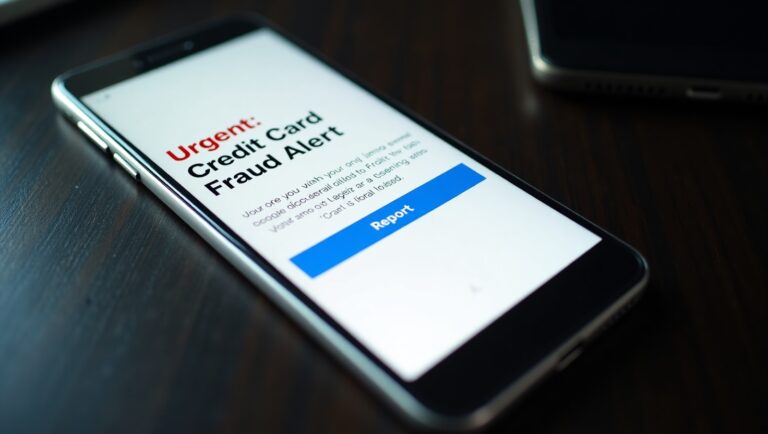
What to Do if You’re a Victim of Credit Card Fraud
If you believe that your credit card has been used illegally, follow these steps to minimize the damage:
Call Your Bank ImmediatelyReport the fraudulent activity and request a temporary hold on your card.
Freeze or Suspend Your Credit CardYou can freeze or suspend your card through mobile banking apps in most banks.
Report to AuthoritiesReport to your area cybercrime unit or to the Federal Trade Commission (FTC) by filing a complaint.
Challenge Unauthorized ChargesAsk your credit card company to refund or chargeback unauthorized purchases.
Monitor Your Credit ReportCheck your credit report for new accounts opened in your name and dispute any inaccuracies.
Best Practices for Safe Online Shopping
Online shopping is risky but convenient. Here are some best practices that can ensure your transactions are safe:
Purchase only from original and top-rated sites that offer a secure payment system.
Verify website authenticity by verifying HTTPS and investigating the company.
Employ digital wallets such as PayPal to introduce an additional security layer.
Never store your credit card information on online shopping websites.
Steer clear of unrealistic offers that sound too good to be true since they usually are scams.

Conclusion: Be Alert & Secure Your Money
Since Credit Card Fraud is on the increase, it is vital now more than ever to know and be aware. Understanding various forms of fraud, being alert to warning signs, and heeding security guidelines can greatly prevent being a victim.
Always monitor your transactions, protect your credit card details, and report suspicious transactions at once. For further information on preventing fraud, go to sites like the Federal Trade Commission (FTC) or the security center of your bank. By these methods, you can enjoy the convenience of having credit cards and still keep fraudsters out of your money. Watch out and keep your hard-earned cash safe