


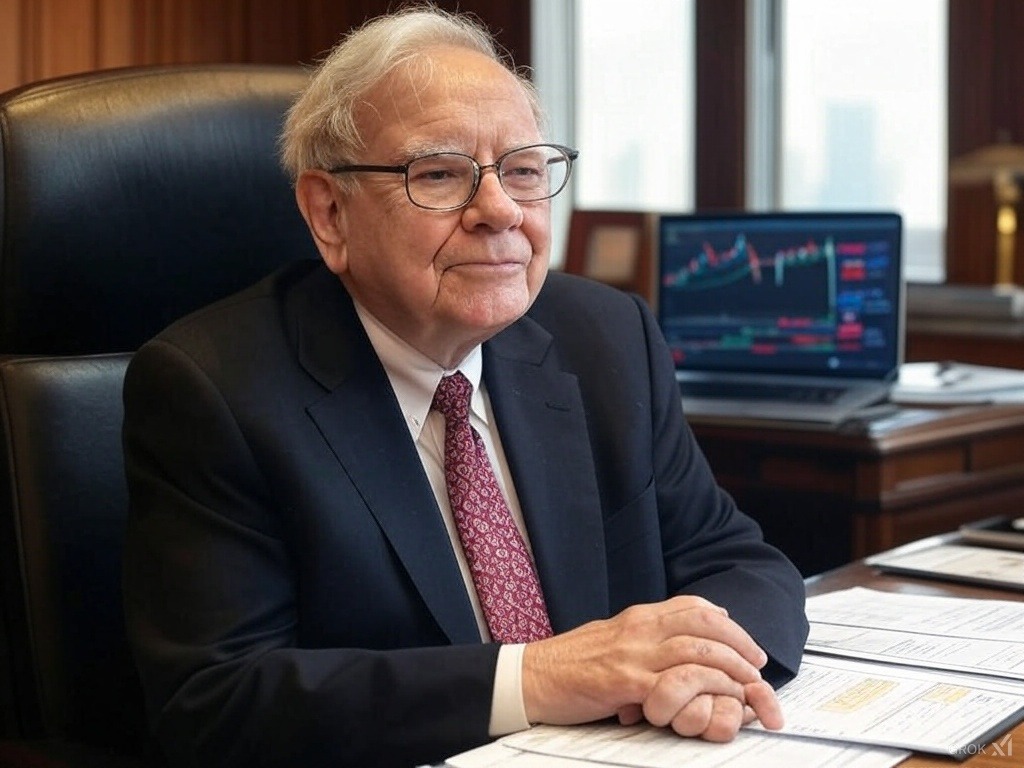
Introduction: The End of an Era at Berkshire Hathaway
Warren Buffett, often regarded as one of the greatest investors of all time, has led Berkshire Hathaway for over 60 years, transforming it from a struggling textile company into a multinational conglomerate worth hundreds of billions. His leadership, investment strategies, and long-term vision have shaped the company’s growth and success. However, as Buffett, now in his 90s, prepares for the inevitable transition, the question arises: what does the future hold for Berkshire Hathaway after his departure?
This blog explores Buffett’s legacy, the strategic plans in place for Berkshire Hathaway, and how the company will navigate a post-Buffett era.
Warren Buffett’s Investment Philosophy: The Foundation of Berkshire Hathaway’s Success
Buffett’s investment philosophy is built on value investing, a concept popularized by Benjamin Graham. He seeks out undervalued companies with strong fundamentals, competitive advantages, and long-term growth potential. This disciplined approach has led to remarkable returns for Berkshire Hathaway and its shareholders.
Key principles of Buffett’s investment strategy include:
Buy-and-Hold Approach: Buffett invests for the long term, focusing on businesses with sustainable competitive advantages.
Strong Fundamentals: Companies with solid earnings, strong cash flow, and capable management teams attract his interest.
Economic Moats: Buffett looks for businesses that have barriers to entry, such as brand recognition, network effects, or cost advantages.
Contrarian Thinking: He often buys when others are fearful, capitalizing on market downturns.
These principles have allowed Berkshire Hathaway to amass significant wealth through holdings in companies like Apple, Coca-Cola, and American Express.

Succession Planning: Who Will Lead Berkshire Hathaway After Buffett?
One of the biggest concerns among investors is who will take the reins of Berkshire Hathaway when Buffett steps down. Fortunately, Buffett has made it clear that Greg Abel, Vice Chairman of Non-Insurance Operations, will be his successor.
Why Greg Abel?
Abel has been with Berkshire Hathaway for decades, demonstrating strong leadership.
He played a crucial role in overseeing the company’s energy and utility businesses.
His approach aligns with Buffett’s long-term, value-driven mindset.
While Buffett’s departure will undoubtedly be felt, Abel’s leadership aims to ensure continuity in the company’s core investment philosophy.
Berkshire Hathaway’s Decentralized Business Model: A Legacy That Will Continue
A key reason Berkshire Hathaway has thrived is its decentralized business model. The company owns and operates numerous subsidiaries across various industries, allowing them to function independently. This structure provides several benefits:
Flexibility: Each business unit operates autonomously, reducing bureaucratic inefficiencies.
Strong Management Teams: Leaders within Berkshire Hathaway have the freedom to make decisions without excessive oversight.
Long-Term Stability: Unlike many conglomerates that constantly restructure, Berkshire Hathaway fosters stability within its subsidiaries.
This model ensures that even without Buffett at the helm, Berkshire Hathaway will continue to function smoothly.
The Role of Charlie Munger and the Transition After His Passing
Charlie Munger, Buffett’s right-hand man and long-time business partner, played a crucial role in shaping Berkshire Hathaway‘s philosophy. His wisdom, deep understanding of economics, and sharp investment acumen complemented Buffett’s approach.
With Munger’s recent passing, Berkshire Hathaway has lost a great thinker. However, his influence lives on through the principles he instilled in the company. The leadership transition ensures that Munger’s disciplined investment approach and rational decision-making remain embedded in the company’s culture.
Berkshire Hathaway’s Cash Reserves: A Safety Net for the Future
Buffett is known for maintaining a large cash reserve, which serves as a financial buffer for Berkshire Hathaway. This strategy offers several advantages:
Financial Stability: Having substantial cash reserves allows the company to weather economic downturns.
Acquisition Opportunities: During market downturns, Berkshire Hathaway can acquire undervalued businesses at attractive prices.
Shareholder Value Protection: By maintaining liquidity, the company ensures financial flexibility and avoids excessive debt.
Buffett’s cash-first approach provides a strong safety net, ensuring that Berkshire Hathaway remains resilient in uncertain times.

Investment Strategy Beyond Buffett: Will Berkshire Stay Conservative or Take Risks?
A key question post-Buffett is whether Berkshire Hathaway will maintain its conservative investment strategy or embrace more risk.
Greg Abel is expected to continue Buffett’s value-driven approach, focusing on stable, long-term investments.
Tech Investments May Increase: Buffett’s later years saw an increased focus on tech (e.g., Apple). The trend may continue under new leadership.
Diversification Will Play a Crucial Role: Future leadership may explore emerging sectors like renewable energy, AI, or healthcare.
While Buffett’s conservative approach has served Berkshire Hathaway well, the company may need to adapt to evolving market conditions.
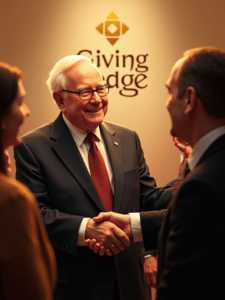
Buffett’s Ethical and Philanthropic Legacy: The Giving Pledge and Its Impact
Buffett’s influence extends beyond investing. His commitment to philanthropy is evident in The Giving Pledge, a movement encouraging billionaires to donate a significant portion of their wealth to charitable causes.
Buffett has pledged to give away more than 99% of his wealth.
His philanthropic contributions focus on education, healthcare, and poverty alleviation.
The Giving Pledge has inspired other billionaires like Bill Gates and Elon Musk to contribute to societal well-being.
Buffett’s ethical principles ensure that Berkshire Hathaway remains committed to corporate responsibility and positive global impact.
Challenges Berkshire Hathaway Might Face in a Post-Buffett Era
Despite its strong foundation, Berkshire Hathaway faces challenges in a Buffett-less world:
Investor Confidence: Buffett’s departure may cause uncertainty among shareholders.
Market Volatility: The stock market is evolving, and new risks may arise.
Leadership Transition: While Abel is a strong successor, he lacks Buffett’s iconic reputation.
Technological Disruption: Industries are changing rapidly; adapting to innovation is crucial.
How Berkshire Hathaway navigates these challenges will determine its long-term success.
Conclusion: The Future of Berkshire Hathaway in a Buffett-less World
Warren Buffett’s impact on Berkshire Hathaway is immeasurable. His value-driven investment philosophy, strong leadership, and ethical business practices have built a company that stands the test of time.
As Buffett steps away, Berkshire Hathaway is well-positioned for continued success. With Greg Abel at the helm, a decentralized structure, and a robust financial strategy, the company remains a powerhouse in the investment world.
While Buffett’s presence will be missed, his legacy ensures that Berkshire Hathaway will thrive for generations to come.