


Table of Contents
Introduction
Bill Gates left his position as Chief Executive Officer of Microsoft (MSFT -0.05%) in 2000 at 44 years of age. He reached the centibillionaire status in 1999 and was the wealthiest man in the world. It took him 20 years to fully step away from the company he founded, which included resigning from the board in 2020.
As of today, he has been focusing on tackling the world’s most difficult health, education and equality issues through the Gates Foundation for the past 25 years. In that duration, he along with ex-wife French Gates, donated $60 billion, making them some of the largest donors to charity in history. The only person to outdo them was Bill Gates longtime friend and donor to his foundation, Warren Buffett.
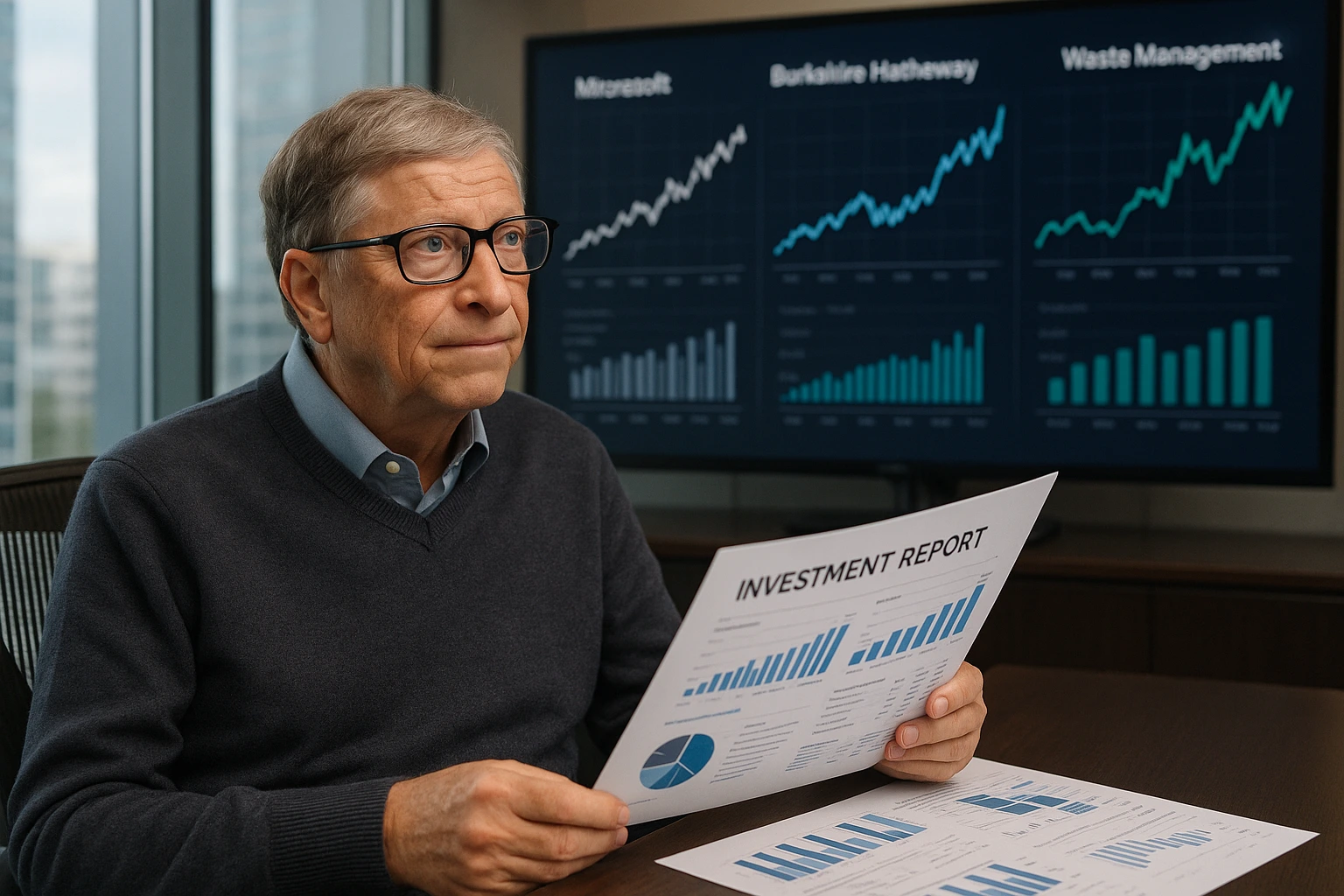
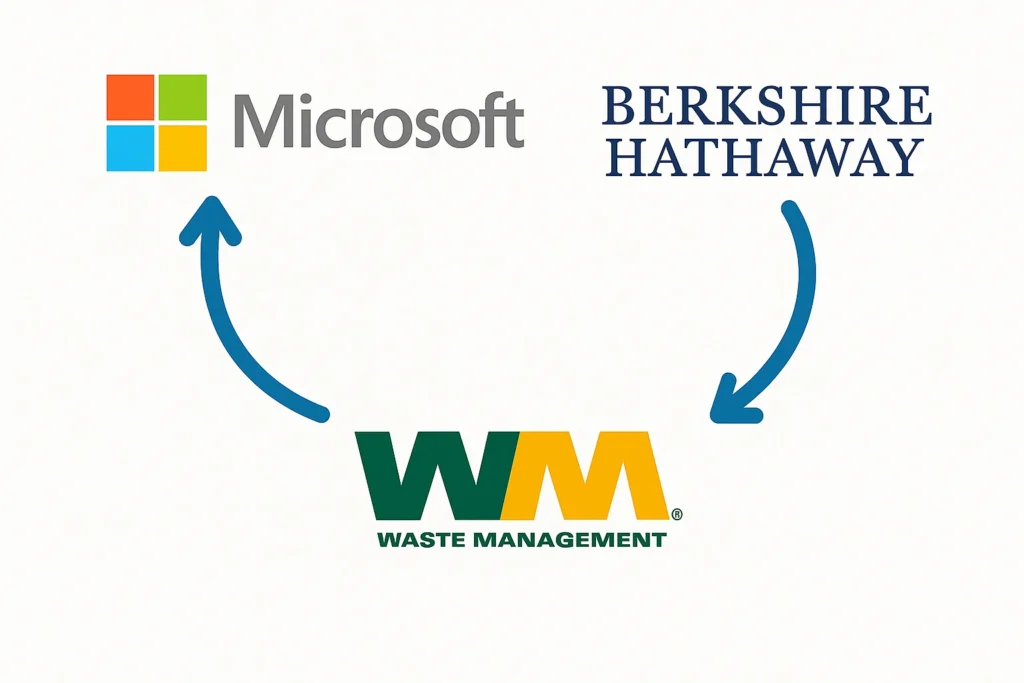
Bill Gates personal wealth came from Microsoft, but for his personal investments and those of the Gates Foundation Trust, he seems to have followed Buffett’s investing philosophy. Buffett advocates for investing heavily into a few exceptional companies. Consequently, more than two-thirds of the Gates Foundation Trust’s marketable equity portfolio is invested in three marvelous stocks, showcasing the Gates and Buffett investing strategy.
The “Big 3” Stock Holdings Deep Dive
1.Microsoft
Bill Gates majority of wealth stems from Microsoft which he co-founded in 1975. Following his most recent donation to the Gates Foundation in 2022, Gates’ stake in the company fell to below 1%. Of course, 1% of a 4 trillion-dollar company is still 40 billion dollars.
Despite regularly selling shares to fund its operations, the Gates Foundation still holds a significant stake in Microsoft. In the most recent 13-F filing with the SEC, the Gates Foundation held 28.5 million shares of Microsoft. Those shares are valued at 14.8 billion dollars as of this writing.
2. Berkshire Hathaway (17%)
Warren Buffett continues to make an annual donation of Berkshire Hathaway shares to the Gates Foundation every summer. Buffett allocated 10 million Class B shares to the foundation in 2006 which translates to an astonishing 500 million shares post-splits. Buffett donates 5 percent of the remaining allocated shares if the foundation’s total giving is equal to the prior amount plus 5 percent of the previous donations.
The foundation has been able to hang on to a good number of Berkshire shares. As of March 2023, the foundation held 17.2 million shares, which translates to 7.9 billion dollars. Based on the latest SEC filings, the foundation received a total of 9.4 million shares on June 30.
Buffett’s announcement of his resignation as CEO effective January 1 of next year has impacted shares of Berkshire Hathaway. Some of the challenges the company is facing, along with losing the “Buffett premium,” have been affecting shares ever since the annual meeting in May.
3. Waste Management (17%)
Waste Management (WM 0.87%) holds a position in the Gates Foundation Trust portfolio. Over the years, the Trust has considerably increased its position in the company, now holding 35.2 million shares, a significant rise from 1.2 million in 2002. Presently, those shares amount to roughly $7.5 billion.
The waste collection and disposal company has seen strong organic growth over the last few years, with revenue climbing 6% per year from 2022 through 2024. Growth continued in 2025, with a 5.4% increase in revenue in the most recent quarter.
Besides the organic growth, the company has strategically acquired other businesses that have added additional value. WM Healthcare Solutions, which was previously Stericycle, contributed roughly 10% of Waste Management’s net operating revenue for the second quarter and marked Waste Management’s entry into the healthcare waste sector.
The firm maintained good operating margins even with the additional lower-margin medical waste segment. The EBITDA margin for the last quarter of 29.9% was basically in line with last year’s margin in absence of the Healthcare Solutions segment. With the acquired integration synergies and as the company scales, management will reap enhanced synergies and improvements in profitability in the long-term.
Investment Strategy Analysis: Bill Gates Winning Investment Strategies Revealed
Long-term Value Investing Approach
Bill Gates has embraced a philosophy that prioritizes patience over quick profits. His investment timeline spans decades rather than quarters, allowing compound growth to work its magic. This long-term approach means he can weather market volatility while focusing on companies with solid fundamentals and sustainable competitive advantages.
The billionaire’s strategy revolves around identifying businesses that solve real-world problems and have the potential to maintain their market leadership for years to come. Rather than chasing trendy stocks or market fads, he focuses on established companies with proven track records and reliable cash flows.
Focus on Dividend-Paying Blue-Chip Stocks
One of the most striking aspects of Bill Gates portfolio is his preference for dividend-paying giants. These aren’t flashy startups or speculative plays – they’re mature businesses that return cash to shareholders consistently. This approach aligns perfectly with the gates foundation of trust’s need for predictable income to fund global health and education initiatives.
His portfolio heavily favors companies in essential industries that people will always need. For instance, waste management represents a sector that’s virtually recession-proof, as garbage collection and disposal remain necessary regardless of economic conditions. These businesses typically generate steady cash flows and offer reliable dividend payments, making them ideal for institutional investors with long-term obligations.

Performance & Returns: Gates Portfolio Performance Track Record
Historical Returns Over 5, 10, 15 Years
The concentrated approach has delivered impressive results over multiple time horizons. While specific return figures aren’t always publicly disclosed due to the foundation’s structure, the portfolio’s performance can be evaluated through the success of its major holdings.
Over the past decade, Gates’ strategy of holding large positions in established companies has provided stability during market turbulence. The portfolio weathered the 2020 pandemic crash remarkably well, largely because his core holdings included businesses that benefited from changing consumer behaviors and digital transformation trends.
Comparison of S&P 500 Benchmark
When measured against the s&p 500, Gates’ concentrated portfolio has shown both the benefits and risks of his approach. During bull markets, the lack of diversification sometimes means missing out on broader market gains. However, during market downturns, his focus on quality companies with strong balance sheets has often provided better downside protection. The foundation’s investment committee regularly evaluates performance against major indices, ensuring that the concentrated strategy continues to serve the organization’s dual goals of capital preservation and growth

Lessons for Individual Investors: What Individual Investors Can Learn from Gates
Key Takeaways from Gates’ Investment Approach
Individual investors can extract several valuable lessons from Gates’ methodology. First, the power of conviction cannot be understated. When you truly believe in a company’s long-term prospects, holding a larger position can amplify your returns significantly.
Second, focusing on businesses you understand reduces investment mistakes. Gates has consistently invested in companies whose business models he can evaluate and whose competitive positions he can assess with confidence.
How to Apply Concentrated Investing Principles
For everyday investors, implementing a concentrated strategy requires careful consideration of risk tolerance and investment goals. Start by thoroughly researching companies in industries you understand well. Look for businesses with sustainable competitive advantages, strong management teams, and consistent profitability.
Consider allocating larger percentages to your highest-conviction ideas while maintaining some diversification for risk management. Remember that concentration can amplify both gains and losses, so this approach works best for investors with long horizons and the emotional fortitude to handle volatility.

Gates vs. Other Billionaire Investors: How Gates Portfolio Compares to Buffett, Bezos & Others
The investment philosophies of billionaires often reflect their backgrounds and experiences. warren buffett, Gates’ longtime friend and bridge partner, shares many similar principles but typically maintains broader diversification through berkshire hathaway. Both investors prefer buying wonderful companies at fair prices rather than chasing market momentum.
Unlike tech entrepreneurs who might maintain concentrated positions in their own companies, Gates has deliberately moved away from Microsoft exposure to build a more diversified foundation portfolio. This demonstrates his evolution from company founder to institutional investor with fiduciary responsibilities.
warren buffett’s influence on Bill Gates is evident in their shared preference for businesses with economic moats and predictable earnings. However, Gates has shown more willingness to invest in sectors like healthcare and technology infrastructure, reflecting his background and philanthropic interests.
The approach differs markedly from other tech billionaires who might concentrate in growth stocks or emerging technologies. Bill Gates has prioritized stability and income generation over explosive growth potential, recognizing that the foundation needs consistent returns to fund its charitable activities.
Frequently Asked Questions About Gates Portfolio
Can I Copy Gates’ Portfolio?
While you can invest in the same companies that dominate Bill Gates holdings, directly copying his exact allocations might not be appropriate for individual investors. The foundation has different risk tolerance, time horizons, and liquidity needs than most personal investors.
Instead of exact replication, consider adopting similar principles: focus on quality companies, maintain long term perspectives, and concentrate positions in your highest-conviction ideas while managing overall portfolio risk.
How Often Does Gates Change Positions?
Bill Gates and his investment team make relatively few portfolio changes compared to active traders. Position adjustments typically occur quarterly, with major shifts happening only when fundamental investment changes or when rebalancing becomes necessary.
This low-turnover approach aligns with the long-term investment philosophy and helps minimize transaction costs and tax implications for the foundation’s portfolio.
What’s His Biggest Investment Mistake?
Like all investors, Bill Gates has experienced both successes and setbacks. However, his biggest “mistakes” often involve companies he didn’t invest in rather than poor selections. The foundation’s conservative approach means missing some high-growth opportunities in favor of stability.
Bill Gates has acknowledged that his natural caution sometimes prevents the foundation from capturing maximum returns, but this trade-off aligns with the organization’s primary mission of funding charitable work rather than maximizing wealth.
How Does Philanthropy Affect His Investing?
The philanthropic mission significantly influences investment decisions. The gates foundation trust must generate sufficient returns to fund global health initiatives, education programs, and poverty alleviation efforts worldwide. This creates pressure for consistent performance rather than speculative gains.
Additionally, environmental, social, and governance considerations play increasing roles in investment selection. The foundation avoids investments that conflict with its charitable mission and seeks companies that contribute positively to society.
Is Gates Portfolio Suitable for Retirement Accounts?
The concentrated, dividend-focused approach can work well for certain retirement strategies, particularly for investors seeking current income and capital preservation. However, the lack of diversification might not suit everyone’s risk tolerance or time horizon.
Younger investors might benefit from broader diversification and higher growth allocation, while those closer to retirement might appreciate the stability and income focus that characterizes Gates’ approach.
Conclusion
Bill Gates concentrated investment strategy offers valuable insights for investors of all levels. His focus on quality companies, long term thinking, and dividend income has created a robust foundation for funding charitable work worldwide. While not every aspect of his approach translates directly to individual portfolios, the core principles of conviction-based investing, thorough research, and patient capital allocation remain universally applicable.
The success of concentrating 67% of a $45 billion portfolio in just three stocks demonstrates that sometimes, less truly can be more. By maintaining focus on businesses he understands and believes in, Gates has built a portfolio that serves both financial and philanthropic objectives effectively.
For individual investors, the key takeaway isn’t necessarily to concentrate as heavily as Gates, but rather to approach investing with the same thoughtfulness, research, and long-term perspective that has made his strategy so successful.