

Table of Contents
American Airlines Faces Economic Headwinds: A Deep Dive into Strategy, Struggles, and Resilience
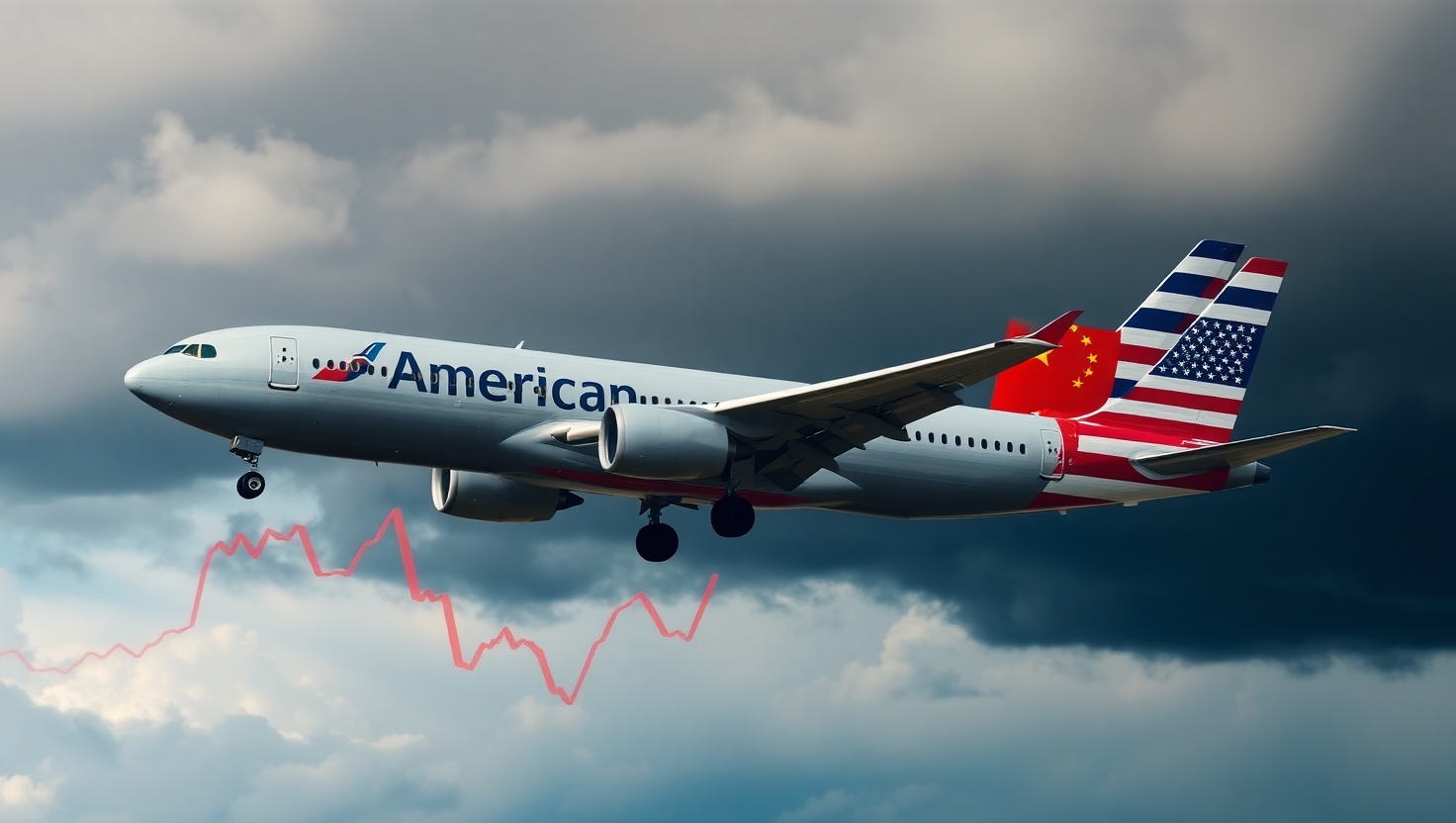
As the clouds of economic uncertainty gather over the U.S. economy, the travel industry is once again feeling turbulence. At the center of this storm is American Airlines, one of the world’s largest carriers, which has taken a cautious stance by pulling its full-year financial guidance due to softening domestic travel demand and growing macroeconomic instability.
This strategic move, mirrored by rivals like Delta and Southwest, reflects the complex landscape that American Airlines now navigates — a mix of fluctuating consumer sentiment, global economic tensions, and lingering fears of a recession.
A Sudden Drop in Domestic Demand
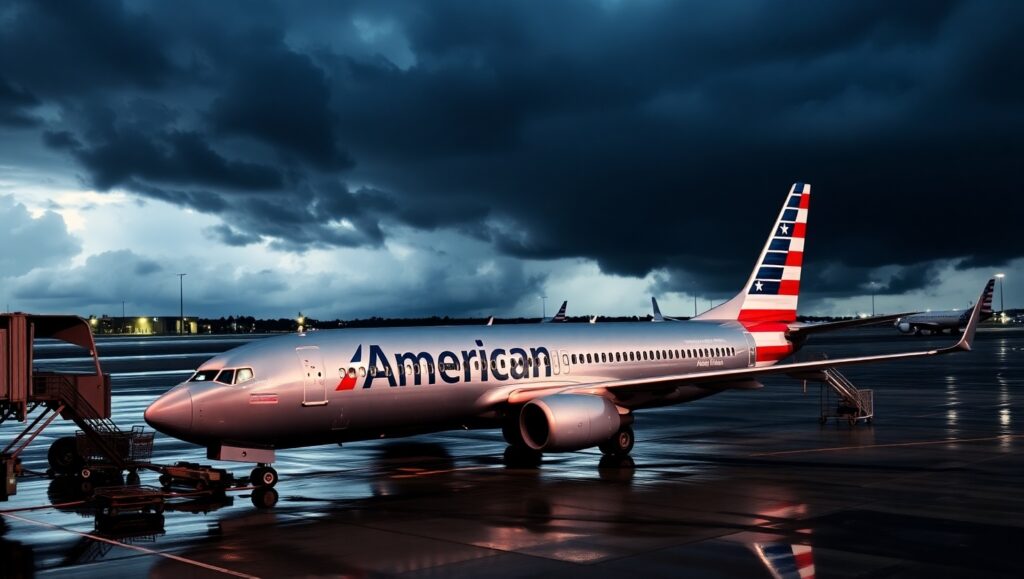
In a candid conversation on CNBC, American Airlines CEO Robert Isom highlighted the unexpected drop in domestic leisure travel. “We came off a strong fourth quarter, saw decent business in January, and really domestic leisure travel fell off considerably as we went into the February time frame,” Isom shared.
The sudden dip is striking, especially for American Airlines, which has historically relied on U.S. leisure travelers for a significant portion of its revenue. As vacationers tighten their belts in response to economic fears, the airline’s financial stability takes a hit.
Economic Uncertainty and Its Ripple Effects
Consumers today are watching their spending more closely. A recent poll conducted across 18 key states shows that over 64% of Americans believe the country is heading into a recession. These fears, amplified by shaky global conditions and market volatility, are reshaping the way people prioritize travel.
For American , this spells trouble. The company thrives in a stable economic climate where consumers feel confident booking getaways, business trips, and international excursions. But when that confidence fades, so does the volume of bookings.
The Trump Tariff Shockwave
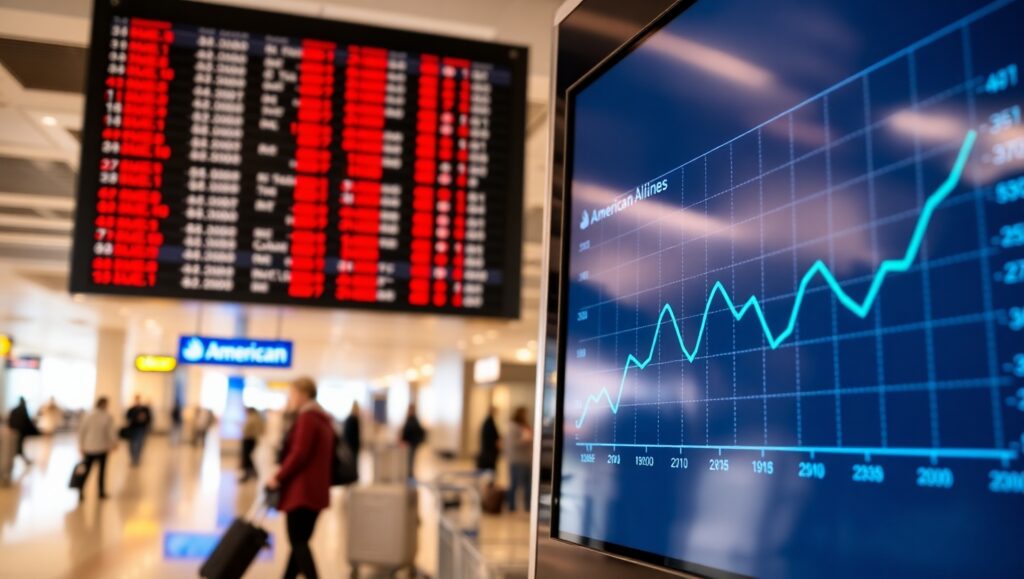
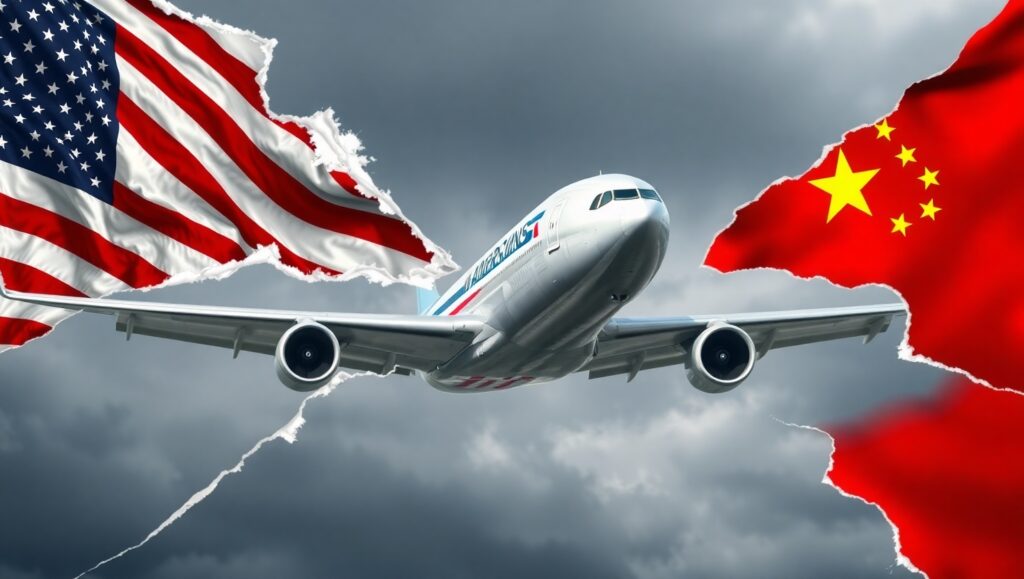
Adding to the pressure are the controversial trade policies introduced by former President Donald Trump. On April 2, Trump announced significant new tariffs on Chinese imports, prompting immediate retaliation from Beijing. China’s countermeasure — raising tariffs on American goods to as much as 125% — sent shockwaves through multiple industries, including travel.
Though American Airlines doesn’t directly trade goods with China, the ripple effects are real. U.S.-China trade tensions create an environment of caution and uncertainty, which trickles down to average consumers who may reconsider major expenses like airline travel.
American Airlines Pulls Its Forecast — What It Means
In response to these headwinds, American Airlines made the calculated decision to withdraw its financial outlook for 2025. This move comes on the heels of similar announcements from Delta and Southwest, signaling a broader trend in the aviation industry.
Pulling a forecast is not just a bookkeeping adjustment — it’s a message to investors and analysts that conditions are too unpredictable for long-term planning. However, American Airlines has reassured stakeholders that an updated forecast will be issued once the economic picture becomes clearer.

International and Premium Travel Remain Strong
Despite the domestic softness, American Airlines is finding some comfort in the continued strength of premium and international travel. High-margin business class tickets and long-haul international routes are performing better than expected.
According to internal data, American Airlines has seen stable demand from corporate travelers, particularly on transatlantic and Latin American routes. This segment is helping the airline balance out losses from the domestic leisure side of the business.
Capacity Adjustments and Smart Scheduling
To cope with the shifting demand, American Airlines is fine-tuning its scheduling strategy. By reducing capacity on underperforming domestic routes and reallocating aircraft to more profitable markets, the airline is working to maximize operational efficiency.
This nimble approach is crucial for American Airlines to stay competitive in an industry that’s increasingly influenced by real-time economic shifts. Flexibility and rapid response are the new keys to survival.
Strong Balance Sheet Offers Some Relief
One silver lining for American Airlines is its improved financial health. After grappling with massive debt during the COVID-19 pandemic, the airline has taken proactive steps to strengthen its balance sheet. It has successfully refinanced some of its loans and is gradually paying down liabilities.
While the road to full recovery remains long, American Airlines is better positioned today than it was two years ago. Its leadership believes that this financial stability will help the airline weather the current economic storm.
Tech Upgrades and Customer Experience Investments
Another area where American Airlines is pushing forward is technology. The airline is investing in smarter booking systems, automated check-ins, and improved in-flight connectivity. These enhancements are not just about convenience; they’re aimed at building customer loyalty during uncertain times.
By enhancing the passenger experience, American Airlines hopes to retain its existing customer base and encourage repeat travel, even as consumers become more selective about where they spend.
Labor Relations Remain a Wild Card
While operations are improving and investments are being made, labor relations remain a critical factor. Like many carriers, American Airlines faces pressure from pilot and flight attendant unions demanding higher wages and better working conditions.
Strikes or labor disputes could further disrupt services and dent consumer trust. So far, negotiations have remained civil, but the potential for disruption adds another layer of complexity to American Airlines’ already challenging outlook
Analysts: A Watch-and-Wait Approach
Wall Street analysts remain cautious on American Airlines stock. While some appreciate the airline’s cost-cutting measures and improved international routes, many are holding off on bullish predictions until domestic demand picks up again.
Several brokerages have issued neutral or underweight ratings, noting that while American Airlines may outperform competitors in the long haul, short-term volatility is still a major concern.

Looking Ahead: What Could Spark a Recovery?
For American Airlines, a return to robust demand may hinge on several factors:
- Stabilization of global markets: If U.S.-China trade relations improve and inflation moderates, consumer sentiment could rebound.
- No further interest rate hikes: A friendlier monetary policy would support both business and leisure travel.
- Continued decline in fuel prices: A major cost component, lower fuel costs would help improve margins.
If these conditions align, American Airlines could see a stronger-than-expected second half of 2025.
Final Thoughts: Cautious Optimism for American Airlines
In a challenging economic landscape, American Airlines is making thoughtful adjustments — cutting capacity, investing in tech, managing debt, and leaning on its profitable routes. While it’s far from smooth sailing, the airline is showing resilience and strategic clarity.
As consumer habits evolve and economic indicators shift, American Airlines will need to remain agile. For now, the skies are partly cloudy — but with the right moves, blue skies could return sooner than expected.