



Table of Contents
Introduction
Planning for retirement has become increasingly complex in today’s financial landscape. With traditional pension plans becoming scarce and Social Security benefits uncertain, many individuals are discovering that building multiple streams of passive income is no longer optional—it’s essential. The concept of earning passive income during retirement years offers a pathway to financial security that doesn’t rely solely on traditional retirement accounts.
Why Passive Income is Essential for Retirement
Rising Cost of Living, Inflation, and Longer Lifespans
The financial challenges facing today’s retirees are unprecedented. Healthcare costs continue to rise at rates that outpace general inflation, while longer lifespans mean retirement savings must stretch further than ever before. A passive income source provides a crucial buffer against these economic pressures, offering income that adjusts and grows over time.
Many retirees find themselves in a position where their traditional retirement savings, while substantial, may not provide the cash flow needed to maintain their desired lifestyle. This is particularly true for those who retire early or face unexpected health expenses. The ability to generate income without active daily involvement becomes invaluable during these later years.
Financial Independence and Freedom to Enjoy Retirement
True financial independence comes from having multiple income streams that don’t require constant attention or physical presence. This freedom allows retirees to focus on what matters most—spending time with family, pursuing hobbies, traveling, or contributing to causes they care about. A well-structured passive income strategy provides the foundation for this independence.
5 Smart Ways to Build Passive Income for Retirement

1. Dividend-Paying Stocks
What Are They?
Dividend-paying stocks represent ownership shares in companies that regularly distribute a portion of their profits to shareholders. These companies typically have established business models and consistent earnings, making them attractive options for those seeking steady income. Unlike growth stocks that reinvest all profits back into the company, dividend stocks provide regular payments to investors.
The beauty of dividend stocks lies in their dual benefit: they offer regular income payments while potentially appreciating in value over time. This combination makes them an excellent choice for retirement portfolios, where both current income and long term growth are important considerations.
How They Generate Passive Income
When investors purchase dividend-paying stocks, they become entitled to regular dividend payments, typically distributed quarterly. These payments represent a share of the company’s profits and are usually paid in cash directly to the investor’s account. The income generated is truly passive, requiring no daily involvement from the investor.
Many dividend-paying companies have a history of increasing their payments annually, which helps protect against inflation over time. This growth potential makes dividend stocks particularly attractive for long term retirement planning, as the income stream can potentially grow throughout the retirement years.
Tax Implications & Reinvestment Strategy
Understanding the tax treatment of dividend income is crucial for retirement planning. Qualified dividends are generally taxed at favorable capital gains rates, while non-qualified dividends face ordinary income tax rates. This distinction can significantly impact the after-tax income generated from dividend investments.
A popular strategy involves reinvesting dividends during the accumulation phase to benefit from compound growth. This approach allows investors to purchase additional shares automatically, increasing future dividend payments. As retirement approaches, investors can switch to receiving cash payments to generate income.

2. Real Estate Investment (REITs or Rental Income)
Passive Income Through Property
Real estate has long been considered one of the most reliable ways to generate income. For retirement planning, real estate offers two primary income approaches: direct rental property ownership and real estate investment trusts (REITs). Each approach has distinct advantages and considerations for retirement income planning.
Direct rental property ownership involves purchasing properties and collecting rental income from tenants. While this approach can provide substantial income, it requires more active management and carries additional responsibilities. However, for those willing to invest time and effort, rental property can provide excellent returns and tax benefits.
Benefits of REITs for Hands-Free Investing
Estate investment trusts reits offer a compelling alternative for those seeking real estate exposure without the hands-on management requirements. REITs are companies that own and operate income-producing real estate, allowing investors to purchase shares and receive dividends from property income without direct property ownership.
The advantages of REITs include professional management, diversification across multiple properties, and liquidity through stock market trading. These features make REITs particularly suitable for retirement income, as they provide steady dividend payments while eliminating the need for property management, tenant relations, and maintenance concerns.
Long-Term Appreciation
Real estate investments, whether direct property ownership or REITs, typically appreciate over time, providing both current income and potential capital gains. This appreciation helps protect against inflation and can significantly enhance total returns over the long term retirement planning horizon.
The combination of regular income and appreciation potential makes real estate an excellent complement to other retirement income sources. Many financial advisors recommend allocating a portion of retirement portfolios to real estate investments as part of a diversified income strategy.

3. Peer-to-Peer Lending
What Is P2P Lending?
Peer to peer lending represents a modern approach to generating passive income by lending money directly to individuals or businesses through online platforms. These platforms connect lenders with borrowers, eliminating traditional banking intermediaries and potentially offering higher returns than conventional savings accounts.
The process typically involves investors funding portions of loans, spreading risk across multiple borrowers. This diversification approach helps reduce the impact of any single default while providing regular interest payments. For retirement planning, peer to peer lending can provide a steady income stream with returns that often exceed traditional fixed-income investments.
Potential Returns vs Risks
Peer to peer lending platforms often advertise returns ranging from 5% to 12% annually, which can be attractive compared to traditional savings accounts or certificates of deposit. However, these higher returns come with increased risk, including the possibility of borrower defaults and platform failures.
The key to successful peer to peer lending lies in diversification and careful platform selection. Investors should spread their investments across many loans and thoroughly research platform stability and borrower screening processes. While the returns can be attractive, this investment type should represent only a portion of a diversified retirement income portfolio.
Platforms for Beginners
Several established platforms make peer to peer lending accessible to individual investors. These platforms typically offer user-friendly interfaces, automated investment options, and various risk levels to match different investor preferences. Many platforms also provide detailed performance data and borrower information to help investors make informed decisions.
When selecting a platform, investors should consider factors such as minimum investment amounts, fees, loan types available, and the platform’s track record. Starting with smaller amounts allows investors to learn the platform’s features and assess performance before committing larger sums.
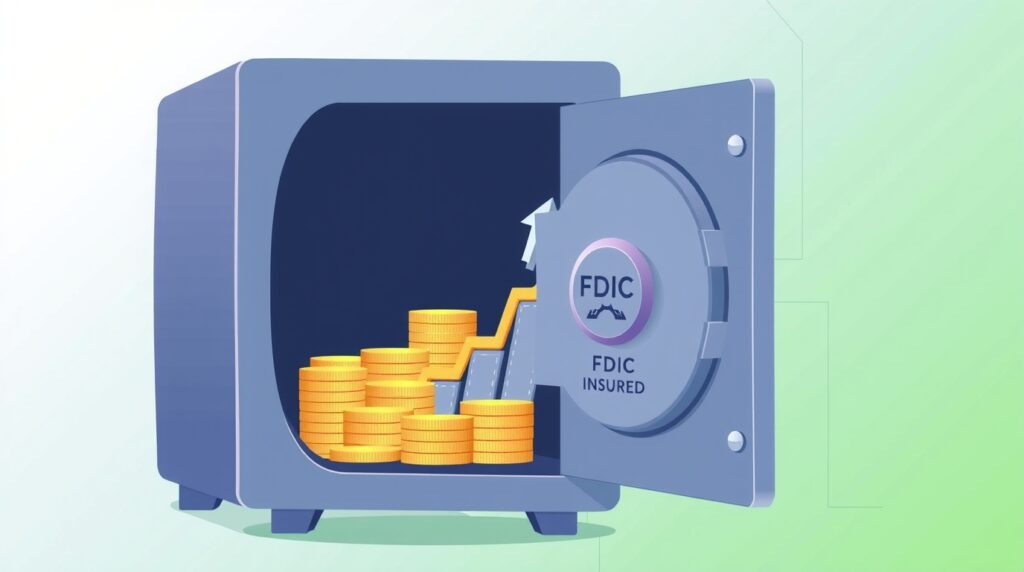
4. High-Yield Savings or Retirement Accounts (IRA/CDs)
Safe, Predictable Income
High yield savings accounts represent one of the safest approaches to generating passive income, particularly suitable for conservative investors or those nearing retirement. These accounts offer higher interest rates than traditional savings accounts while maintaining FDIC insurance protection and immediate liquidity.
Certificates of deposit (CDs) provide another safe option, offering fixed interest rates for specific terms. While CDs typically require funds to be locked up for predetermined periods, they often provide higher returns than savings accounts and guarantee the principal investment.
Interest Compounding Benefits
The power of compound interest becomes particularly important in retirement planning, as it allows savings to grow exponentially over time. High yield savings accounts and CDs both benefit from compounding, where interest earned is added to the principal, generating additional interest on the increased balance.
For retirement planning, the compounding effect can significantly impact long term wealth accumulation. Even modest interest rates, when compounded over many years, can result in substantial growth that enhances retirement income potential.
Laddering Strategy
A laddering strategy involves purchasing multiple CDs with different maturity dates, creating a stream of regularly maturing investments. This approach provides regular access to funds while potentially capturing higher interest rates available on longer-term CDs.
The laddering strategy also provides flexibility to reinvest funds at current market rates as each CD matures, helping to manage interest rate risk. This approach can be particularly effective for retirees who need regular income while preserving capital safety.

5. Create a Retirement-Focused Digital Product
Creating digital products represents a unique opportunity to monetize professional expertise and life experience. Many retirees possess valuable knowledge accumulated over decades of work, which can be transformed into income-generating digital products such as eBooks, online courses, or consulting guides.
The beauty of digital products lies in their scalability—once created, they can generate income indefinitely without additional time investment. This makes them an ideal passive income stream for retirement, as they can continue generating revenue long after the initial creation effort.
Digital products can cover virtually any topic where the creator has expertise, from professional skills and hobbies to life experiences and specialized knowledge. The key is identifying knowledge that others would find valuable and presenting it in an accessible, helpful format.
How to Choose the Right Passive Income Stream
Risk Appetite and Investment Horizon
Selecting appropriate passive income strategies depends heavily on individual risk tolerance and time horizon. Conservative investors may prefer high yield savings accounts and dividend-paying stocks from established companies, while those comfortable with higher risk might consider peer to peer lending or growth-focused real estate investments.
Initial Capital vs Time Involvement
Different passive income strategies require varying levels of initial capital and time commitment. High yield savings accounts and dividend stocks typically require minimal ongoing attention but may need substantial initial investments to generate meaningful income. Conversely, creating digital products may require significant upfront time investment but minimal initial capital.
Common Mistakes to Avoid
Relying on One Income Stream
One of the most significant mistakes in retirement planning is depending too heavily on a single passive income source. Market conditions, regulatory changes, or economic shifts can dramatically impact any individual income stream, making diversification essential for long term security.
Ignoring Tax Implications
Tax considerations play a crucial role in retirement income planning, yet many investors fail to properly account for their impact. Different income sources face varying tax treatment, and understanding these differences can significantly affect net income and overall retirement planning success.
Not Starting Early Enough
The power of compound growth makes early action crucial for retirement income success. Many individuals delay implementing passive income strategies, missing years of potential growth and income accumulation. Even small amounts invested early can grow significantly over time, highlighting the importance of starting as soon as possible.
Tools & Resources to Get Started
Best Investment Apps (e.g. Vanguard, Fundrise, Robinhood)
Modern technology has made passive income investing more accessible than ever before. Platforms like Vanguard offer access to exchange traded funds and dividend-paying stocks with low fees and professional management. These platforms provide user-friendly interfaces and educational resources to help beginners get started.
Financial Calculators
Understanding the potential returns and time requirements for different passive income strategies requires accurate calculations. Online financial calculators help investors project future income, compare different strategies, and determine the investment amounts needed to achieve retirement goals.
Books & Blogs
Continuing education remains essential for successful passive income investing. Numerous books and blogs provide detailed information about different strategies, market conditions, and practical implementation advice. These resources help investors stay informed about new opportunities and avoid common pitfalls.
Conclusion
Building passive income for retirement requires a strategic approach that combines multiple income streams, careful planning, and consistent execution. The five strategies outlined in this guide—dividend-paying stocks, real estate investments, peer to peer lending, high yield savings accounts, and digital products—offer diverse approaches to generating income without active daily involvement.
Success in creating passive income streams depends on starting early, diversifying across multiple strategies, and maintaining a long term perspective. While each approach has its own risk and return characteristics, combining them thoughtfully can create a robust retirement income portfolio that provides financial security and peace of mind.
The key to success lies in taking action today rather than waiting for the perfect opportunity or market conditions. Even small steps toward building passive income can compound over time, creating significant benefits for retirement years. Whether starting with a high yield savings account or investing in dividend stocks, the important thing is to begin the journey toward financial independence.
FAQ
Q: How much money do I need to start building passive income for retirement? A: The amount needed varies by strategy. High yield savings accounts can start with as little as $100, while meaningful dividend income might require several thousand dollars. The key is starting with whatever amount you can afford and consistently adding to it over time.
Q: Which passive income strategy is best for beginners? A: High yield savings accounts and dividend-paying exchange traded funds are typically best for beginners due to their simplicity and lower risk. These provide a foundation for learning about passive income while generating initial returns.