



Table of Contents

Why Is Microsoft Cutting Jobs?
Microsoft Layoffs In a move that has triggered widespread employee downsizing, Microsoft recently announced its decision to lay off 9,000 employees, the biggest such action since 2023. This massive step is being viewed not only as a workforce reduction but also as a clear signal of shifting business strategies in the tech world.
AI Restructuring
The driving force behind this corporate restructuring is Microsoft’s aggressive push into artificial intelligence. As advanced AI tools replace conventional job functions, staff layoffs have become an inevitable outcome. Many of the affected roles are being eliminated or absorbed into new AI-centric teams.
The company’s shift to machine learning and automation has resulted in redundancy announcements in legacy departments like technical support, QA, and device engineering. By focusing on generative AI and cloud-based platforms, Microsoft hopes to stay ahead in a rapidly evolving tech ecosystem.
Operational Efficiency
Another core reason behind the mass job cut is a renewed focus on operational agility. Microsoft’s executives aim to reduce inefficiencies, eliminate overlapping responsibilities, and increase profit margins. This realignment includes cuts in marketing, HR, and even parts of its Azure division.
The Microsoft Layoffs is not limited to front-line workers. Middle management and project leads are also facing cuts as part of this widespread job losses at Microsoft. Such drastic measures point to a leaner, more focused organizational model centered around innovation and speed.
Post-Pandemic Adjustments
While the tech sector enjoyed exponential growth during the pandemic, the landscape has changed. The current economic slowdown and shifting consumer behavior have forced Microsoft to adapt. The company is now scaling back on some previously growing sectors and revising its hiring strategy.
This latest termination notice cycle is also reflective of larger market pressures. Like other tech giants, Microsoft Layoffs is preparing for long-term sustainability rather than short-term gains. As a result, this tech job cuts wave serves as a hard reset in a changed world.
Which Departments Are Affected?
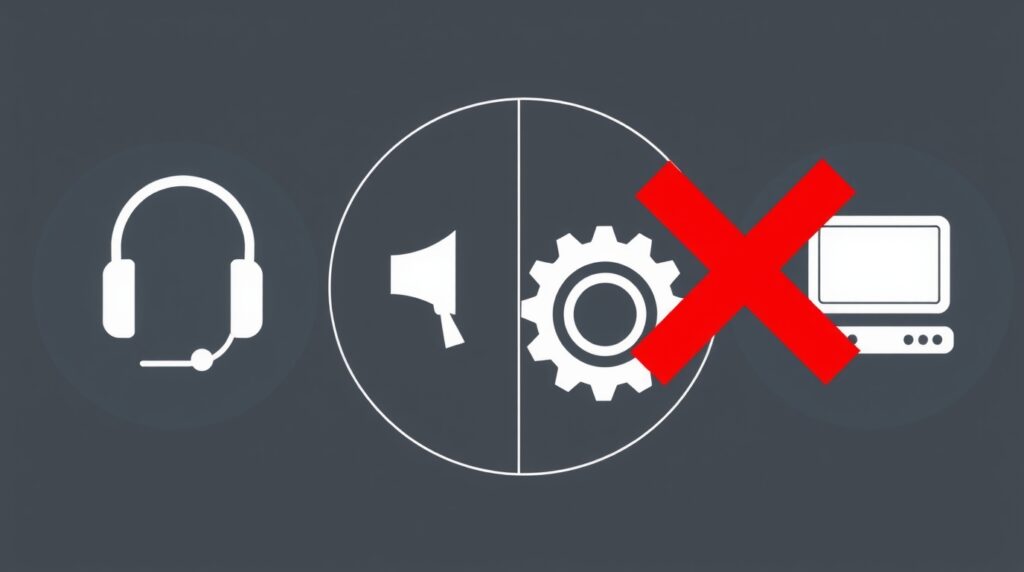
The recent Microsoft layoffs represent a major wave of employee downsizing, targeting thousands globally. These changes are part of a broader corporate restructuring strategy, aimed at adapting to evolving market conditions and increased automation.
Customer Support
The customer support division has been one of the hardest hit. With the rise of AI-driven chatbots and automated help desks, many support roles have faced termination notices. Microsoft cited the need for improved efficiency and faster resolution times, which has unfortunately led to significant staff layoffs in this segment.
Marketing & Sales
In a surprising move, the marketing and sales departments also experienced a sharp workforce reduction. The company is reportedly shifting to digital-first, data-driven strategies, rendering traditional roles less essential. This redundancy announcement sparked concern among long-standing employees, many of whom had been part of product launch and regional sales teams.
Legacy Software Divisions
The legacy software divisions—teams responsible for maintaining older platforms—were not spared. As Microsoft pivots to cloud computing and AI integration, these teams saw widespread job losses at Microsoft. Their functions are either being absorbed by newer departments or outsourced, leading to a painful but inevitable mass job cut.
Hardware & Devices Teams
Despite Microsoft Layoffs efforts to innovate in the device segment, several hardware and devices teams have faced tech job cuts. The company is reassessing its product lines like Surface and peripheral devices, leading to reallocation of resources and streamlined manufacturing.
This wave of Microsoft layoffs is not isolated to any one region. The Microsoft restructuring effort is a global movement, affecting employees across North America, Europe, and Asia. Even high-performing branches have seen changes, signaling a clear message: the company is moving in a new direction.
To help soften the impact, Microsoft is offering a severance package that includes job placement support, extended healthcare, and access to mental health services. Still, the emotional and financial toll of these changes is immense for many.

Impact on Employees and Morale
The latest Microsoft layoffs have dealt a major blow to employee confidence and workplace stability. This wave of employee downsizing primarily targeted mid-level professionals—those who had dedicated years of service to the tech giant. These weren’t just numbers on a spreadsheet; they were real individuals with deep-rooted connections to the company culture.
Many employees affected by this workforce reduction held roles across operations, technical support, and development teams. These job losses at Microsoft Layoffs have left skilled professionals scrambling to secure new positions amid a tough job market already saturated with displaced tech workers.
As part of its response, Microsoft offered a severance package to most laid-off workers. This included compensation based on tenure, extended health benefits, and access to job placement programs. However, for many, this termination notice came with little warning, deepening the emotional strain.
The impact hasn’t been limited to those let go. Teams that survived the staff layoffs report a visible dip in morale. Conversations are now laced with uncertainty, and many feel like they’re just “waiting their turn.” This internal anxiety is further fueled by continued redundancy announcements and vague messaging from leadership.
Several insiders note that the process lacked transparency. In some departments, even high-performing teams weren’t spared from the mass job cut, suggesting the decisions were more financially driven than performance-based. This has sparked quiet frustration and has weakened trust in the company’s long-term vision.
Adding to the pressure, Microsoft’s pivot toward corporate restructuring has blurred role definitions, with existing employees forced to pick up additional tasks or report under unfamiliar structures. This has led to confusion and burnout, especially as leadership pushes forward with its Microsoft Layoffs plan.
Among the hardest hit are roles in product testing, QA, and sales—areas where the company is making room for automation and AI. These tech job cuts have particularly hurt older employees who may not have the latest digital skills, leaving them feeling outdated and anxious about future employability.
Although Microsoft’s benefits include mental health support, career workshops, and access to online training, many feel it’s not enough. A strong undercurrent of frustration persists, as people struggle to process the loss of long-standing colleagues and the shifting identity of their workplace.

Tech Industry Trends: Not Just Microsoft
Since 2023, the tech industry has been undergoing a massive transformation. Microsoft made headlines with widespread employee downsizing, but it’s far from the only company trimming its workforce. Tech giants such as Amazon, Meta, and Google have followed suit, initiating workforce reductions in an effort to shift focus toward artificial intelligence, automation, and digital infrastructure. While this signals a new chapter in technological evolution, it also highlights growing concerns over job security, rising staff layoffs, and mass job cuts across the sector.
The Broader Shift in Tech Employment
What started as job losses at Microsoft Layoffs soon became a larger trend. Companies across Silicon Valley and beyond have handed out termination notices as they realign business strategies. Cloud providers and social media platforms, for instance, have scaled back hiring and eliminated redundant roles, prioritizing investment in machine learning and data-driven solutions.
While these cuts are often framed as efficiency moves, they result in painful employee displacement. Behind every headline is a laid-off tech worker facing a challenging job market and uncertain prospects. Many employees report receiving restructuring emails late at night or during unexpected company meetings, leaving little time to process the change.

AI: The Catalyst Behind Job Cuts
One of the primary factors driving staffing cuts is the accelerated adoption of AI. As algorithms become more capable, companies are rethinking how much human input is truly required for day-to-day operations. From customer service chatbots to automated code generation tools, the rise of generative AI is enabling significant corporate downsizing. In many cases, departments are restructured or dissolved completely, with employees reassigned or removed.
This strategic pivot has triggered waves of job terminations across multiple disciplines, including engineering, marketing, and even mid-level management. Many in the industry believe that this is just the beginning of a longer trend that could lead to permanent reduction in tech jobs.
Coping With the Fallout
For many, receiving a tech industry of Microsoft layoff notification is both shocking and disorienting. While companies offer severance packages and resume workshops, those affected often face fierce competition in a saturated job market. Support networks have emerged across platforms like LinkedIn and Discord, helping displaced tech employees connect, share leads, and prepare for interviews.
Stories of sudden job loss are becoming increasingly common. Whether due to budget constraints, leadership changes, or strategic shifts, the outcomes are often the same: workforce downsizing that reshapes careers and lives.
Industry-Wide Implications
The cumulative effect of Microsoft layoffs in technology companies is changing the landscape of employment in tech. While some roles vanish, others emerge in areas like AI ethics, machine learning operations, and data governance. This means that some employee terminations may be offset by new opportunities—but not necessarily for the same workers who were let go.
Some experts argue that this ongoing trend represents a natural evolution in the digital economy. Others are more skeptical, warning that unchecked job cuts and overreliance on automation could erode the creative and innovative core of the tech sector.

Market Reaction and Investor Outlook
Following the announcement of recent employee downsizing, Microsoft’s stock showed minimal movement, a sign that investors remain confident in the company’s strategic direction. The workforce reduction, while significant, is perceived by market analysts as a proactive measure to align the company’s operational scale with its aggressive artificial intelligence (AI) expansion goals. Job losses at Microsoft Layoffs were primarily within divisions that have seen duplications of roles or diminishing relevance in the face of new technologies.
Investor confidence has not wavered significantly, largely staff because these Microsoft layoffs are not viewed as signs of instability but rather as a recalibration. This mass job cut reflects a broader industry trend where technology giants restructure to remain competitive in the rapidly evolving AI race. For Microsoft, the termination notice served to reaffirm its prioritization of long-term profitability over short-term workforce maintenance.
The financial markets interpreted the move as a sign that Microsoft Layoffs is staying ahead of potential economic headwinds. Although emotionally charged, such employee downsizing efforts are becoming normalized within the tech ecosystem. Analysts noted that a leaner operational model may help the company respond more nimbly to AI opportunities and market demands.
Notably, many tech firms—Microsoft Layoffs included—are balancing talent acquisition in AI and cloud infrastructure with layoffs in legacy operations. This strategic shift, while resulting in workforce reduction, is necessary to channel investment into growth segments. Job losses at Microsoft, though unfortunate, seem to be a calculated decision to reshape the company for future scalability.
The market’s muted reaction suggests that these Microsoft layoffs were expected, especially following previous statements from leadership indicating a focus on “efficiency and innovation.” Despite the mass job cut, Microsoft’s strong fundamentals continue to inspire investor optimism. No major selloffs occurred following the announcement, reinforcing that the termination notice had minimal impact on stockholder sentiment.
In conclusion, while employee downsizing can often trigger volatility, in Microsoft’s case, the investor outlook remains stable. The workforce reduction has been interpreted as a sign of fiscal discipline rather than trouble. Job losses at Microsoft were strategic, aimed at ensuring sustained leadership in AI and digital infrastructure. Staff layoffs may continue to be a feature of tech industry realignment, but Microsoft’s approach is being viewed through the lens of adaptability and future-readiness.
Final Thoughts
The fact that Microsoft slashes 9,000 jobs, marking its biggest layoff since 2023, is not just a headline—it’s a reflection of the rapidly evolving digital era. As businesses continue to automate and digitize, employee downsizing will become a key theme. For individuals and institutions alike, the focus must shift from fear to resilience, from complacency to growth.
Navigating this landscape will require a commitment to lifelong learning, policy reform, and corporate accountability. The future belongs to those who are ready to change with it.