


Table of Contents
Key Highlights
- Europe faces a widening competitiveness gap with the United States due to slower productivity and insufficient investment in capital markets.
- The European Union’s proposed capital markets reform aims to integrate markets, improve transparency, and attract private capital.
- Legislative changes and digital transformation are key drivers in evolving capital markets to support economic growth.
- Unlocking trillions of investment capital could address productivity gaps and foster sustainable development.
- Successful reforms in regions like the United States and Asia provide valuable lessons for Europe’s ambitious overhaul.
- Enhanced competitiveness and innovation remain central to reshaping the future of European capital markets.
Introduction
Europe’s capital markets are about to change in a big way. Fixing these markets is key if Europe wants to get billions more in private investment. This change will help speed up economic growth and help Europe catch up with other regions. The European Union’s plan to reform capital markets is an important step. It is meant to bring markets together, get more help from the private sector, and give the european economy a real boost. By solving old problems, this idea aims to build a stronger and more mixed economy. If it goes well, europe’s capital markets can be a leader in new ideas, do more for our world, and help europe compete on a global stage. This work is needed for us to have an economy that does well and benefits us all.
Overview of Current European Capital Markets
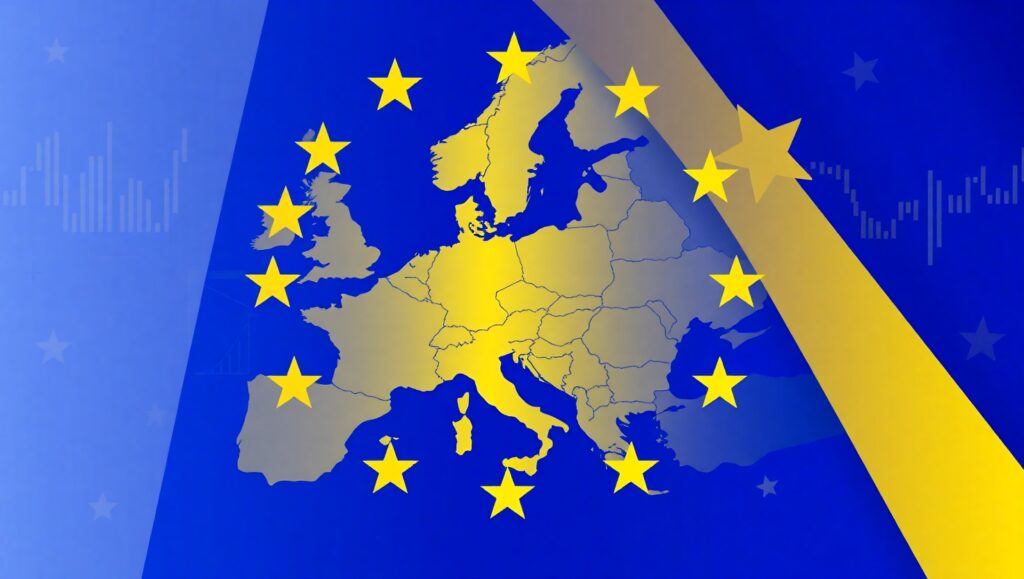
European capital markets are important for the world economy. Europe is home to about 440 million people and makes up 17% of the world’s total economic output. There is a lot of potential here. But, these capital markets often depend on bank loans for money. This makes it hard to back high-risk investments that help the economy grow.
The rules for these capital markets are different in every member state. There are a lot of frameworks in place, and that makes everything less efficient. People in Europe also see slower growth in income and productivity than those in the United States. So, it is important to know about the problems in Europe’s capital markets. This shows that we need changes that can help Europe work together and unlock even more economic power.
The state of capital markets in Europe today
European capital markets today show a clear gap between what is possible and what is real. Europe is the world’s third-biggest economy. It brings in a lot of income and is a leader in things like keeping the planet safe and making sure people get paid more equally. Yet, from 2002 to 2024, the economic growth in Europe was just 1.4% a year. This is much less than what the United States has seen, and it means that europe is not reaching its full potential for economic development.
There are some main reasons for the way things are. Even though people in Europe spend a good share of their income on investments, the amount each person puts into things like new technology or smart ideas is still lower than in the United States. This means the companies in europe do not make as much money as those in the US.
Also, rules and laws are very different between the member states in the european union. These differences make it hard for europe to act as one and take strong steps in areas like getting new money for big ideas, helping businesses grow, and using sectors where they have a good chance to lead the world. The european union needs to act together in a bold way to help economic growth move up and to help europe compete at a higher level.

Challenges faced by European capital markets
Capital markets in Europe deal with big hurdles that get in the way of real growth. There is a strong need for help from national governments for funding, and rules about how the markets work are not the same in each country. These problems make it hard to have new ideas and push things forward. Private capital could help with the €800 billion that is needed each year, but the ways to use it are just not enough right now.
There are other problems that make it hard for companies to grow. The rules for competition are not always the same, and banks do not work together well. This makes it tough for people to get chances in different parts of Europe. New companies have a hard time growing because they do not get enough money at the start and have to deal with a lot of rules. This leaves good ideas, like in cleantech and AI, stuck and not able to move forward.
Rising energy prices, troubles between countries, and not using new technologies much also stop the economy from moving ahead. Even when there are good plans, paperwork and not enough resources slow things down, such as the push for less pollution needing better ways to get money. Getting past all of these problems is needed if Europe wants its capital markets to help with strong economic growth.
Key Reforms Proposed for European Capital Markets
The planned changes hope to give Europe’s capital markets a strong new advantage. The new laws will help create the same rules across all countries. They will also make it easier for companies to start selling shares to the public. These steps can help lower the things that slow down growth. They also aim to bring in more investment in the future.
Work to bring digital updates will make the system more clear and up to date. Using better data tools and adding AI will make reporting and trading easier for everyone. All of these plans together make a clear strategy to help Europe’s markets become strong and fair. These changes can help more member states earn and close gaps in income. In the end, this can help unlock huge economic power for the region and create new chances for growth and improvement.

Legislative changes and their implications
The European Union has proposed legislative changes to integrate fragmented capital markets. These reforms include simplifying IPO procedures, harmonizing tax policies, and establishing a unified regulatory body, the European Securities and Markets Authority (ESMA).
The implications for businesses and investors are profound: reduced compliance costs, streamlined cross-border investments, and enhanced access to funding opportunities. Additionally, proposed merger control revisions aim to create clear thresholds for mandatory notifications, promoting large-scale M&A across member states.
| Policy Initiative | Implication |
|---|---|
| IPO Process Simplification | Encourages European start-ups to list locally, reducing reliance on foreign markets. |
| Tax Harmonization | Unifies fiscal policies for smoother intra-EU operations and higher investor confidence. |
| ESMA Establishment | Lowers compliance costs and promotes transparency through cohesive regulation. |
Aligning legislative action with strategic economic goals, these measures promise significant growth opportunities across Europe’s capital markets framework.
Impact of digital transformation on capital markets

Digital transformation is changing the way capital markets work in Europe. It helps bring more transparency and makes things run more smoothly. With tools like AI-powered analytics and better data platforms, day-to-day work in these markets gets easier. This means reporting is simpler and people can do transactions in a quick and easy way.
One big change is the move toward digitised trading platforms. These let people trade faster and with fewer mistakes. The EU is also working hard to improve digital infrastructure. This matches with the goal to create a solid Capital Markets Union (CMU). The CMU makes sure the single market can handle more investment flows. By doing so, it helps Europe stay strong in global competition and brings more innovation.
As rules become less strict, digitisation helps companies get more done. It gives investors better access to data, so they can trust what is happening. This is good for areas like AI and cleantech, as it helps them grow. Digital change is key for closing the gap in how well the European economy works. It helps make capital markets fairer and brings more balance to the single market across the EU.
Potential Benefits of Capital Markets Reform in Europe
Capital markets reform can help unlock trillions in private investments every year. This has the power to breathe new life into Europe’s economy. These changes focus on removing the things that slow down growth. They also help open up new ways to be creative and have long-term success.
When the European Union brings its rules closer together and puts money into new technology, it gives industries the tools to grow. This helps make europe more competitive. These actions support the goals that the European Union has for the future, so it helps all member states do better. This change builds a base for better economic development and a stronger future for everyone in the EU.
Unlocking trillions in investment capital
Reforming Europe’s capital markets can unlock trillions of euros for new investment. This would give a big boost to economic development. Private equity can help fill the €800 billion a year investment gap by putting money into growing areas like AI, clean technology, and better ways to make things in factories.
This new wave of funding helps parts of the economy that have not had enough support in the past. It makes Europe stronger in key industries such as medicine, planes, and transport. Changes in rules for pension funds and for people who want to invest give more ways for projects to get money. For example, allowing pension funds to be used this way means the money people save can grow faster.
If these new paths for funding are made real, Europe will not just improve its capital markets. Europe will also get better at leading in new ideas and better ways to work. A strong capital system is needed so that member states can move faster and grow in smart ways.
Enhancing competitiveness and innovation
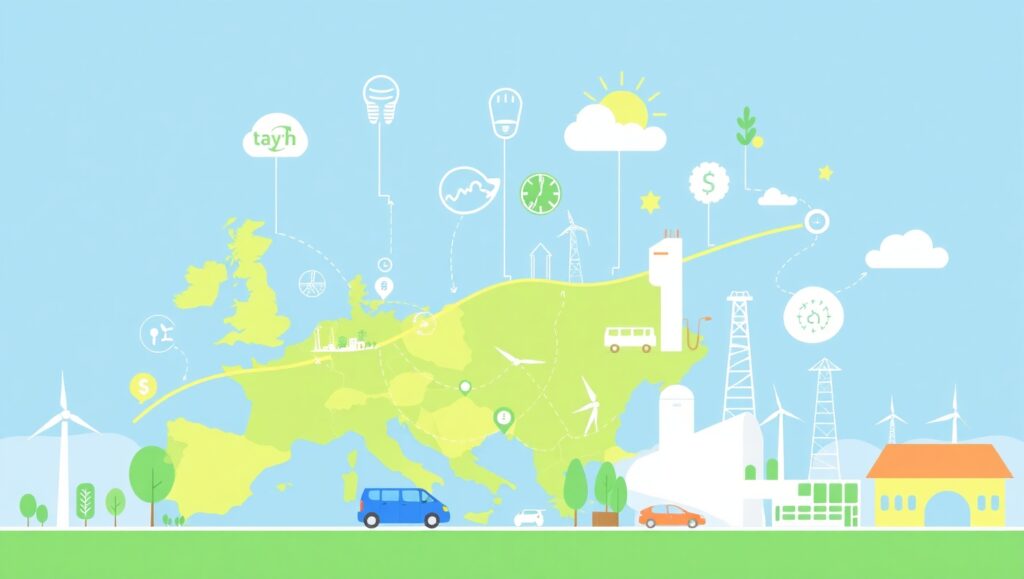
Focusing on being more competitive, the new changes suggested for Europe’s capital markets want to bring new life to industries that rely on innovation. By putting money into things like digitalization, AI, and life sciences, Europe hopes to close the productivity gap with others.
It is also important to make sure older industries such as automotive and heavy manufacturing keep up. Green mobility projects, like making more electric vehicles (EVs), and digitalizing value chains, help Europe stay strong in the global market. These changes also try to fix the lack of talent by teaching people better tech skills through special upskilling programs.
Better financial systems make it easier for people and businesses to grow and keep new ideas coming in many areas. If Europe wants to stay competitive in the future, it must take bold steps and work together on these capital markets reforms.
Case Studies: Successful Capital Market Reforms in Other Regions
Looking at the big changes happening around the world gives Europe many lessons to learn from. The United States is a good example of a place that grows because of its strong money system. It also uses fresh ideas in its markets to keep leading in the world economy.
In Asia, leaders use strong rules for money and businesses. This shows how having clear moves helps some areas grow very fast. These stories from other places give Europe useful plans. Europe can use these to help its own growth and still fit its special way of life and needs.

Lessons from the United States
The United States is known for its strong capital markets that help drive economic growth. Some key changes include new rules that allow more big private investments. The steps to launch an IPO are now easier, which helps more companies enter the market.
This system helps many fields grow, like biotech and AI. The success comes from good public and private partnerships. In the United States, being open and clear is very important—it helps people trust the market, which makes the whole capital system better.
Europe can learn from the United States. If Europe matches its changes to the needs of fast-growing fields, it can build strong capital markets and create more economic growth. Clear rules and transparency are important for this success.
Insights from Asia’s financial market overhauls
Asia’s changes in the financial world show Europe how to bring energy back into its capital markets. Asia aligns rules to support fast-growing fields like technology and clean energy. This approach helps in giving new life to capital markets.
Some efforts that stand out include making rules looser on how much to invest and laying out better systems for dealing with money and trade between countries. For example, Singapore leads the way with new financial technology. In China, the government puts money into clean energy. These moves show results that Europe can use as a guide.
With changes and new ideas in managing money, Asia highlights that close ties between rules, the people in society, and the economy can bring new, steady growth to capital markets in Europe and beyond.
Conclusion
To sum up, the planned changes for Europe’s capital markets could help unlock a lot of money for investment and make the region more competitive. These steps try to fix current problems and welcome new digital tools, which can make finance work faster and better. If Europe learns from what has worked well in other areas, it can use smart policy changes to reach bigger economic goals. It is important for everyone involved to stay up to date and take part in what’s happening with capital markets in Europe. These changes may reach different parts of the economy and bring new chances. If you want to know more about what this may mean for you, you can look for more details or talk with an expert in this field.
Frequently Asked Questions
What are the main objectives of the European capital markets reform?
The main goal of capital markets reform is to make markets more open and fair. These changes help the european union grow its economy, become more competitive, and make things more transparent. The reforms try to bring member states together and support new ideas, especially in fast-growing areas. The plan is to help money move freely so that people and groups can invest trillions in europe. This will also help build a better and smoother financial system for all.
How could these reforms impact average investors?
The reforms help average investors by making it easier for them to get into private equity and pension funds. They make it more simple for people to take part in capital markets. There is more transparency now, so people can see how things work. Funding choices are better, letting both people and asset managers have more good ways to invest. It is not hard for people to build stronger and more varied portfolios in European capital markets because of these changes.
What are the risks associated with these reforms?
Some risks in capital markets are that laws can take a long time to change, nobody knows for sure what the economy will do, and some member states might get more benefits than others. Investors also have to deal with changes in rules and ups and downs in the market. Policymakers have to work on these problems so there can be fair and steady growth for all.