


Table of Contents
Introduction: The Rise and Fall (and Rise?)
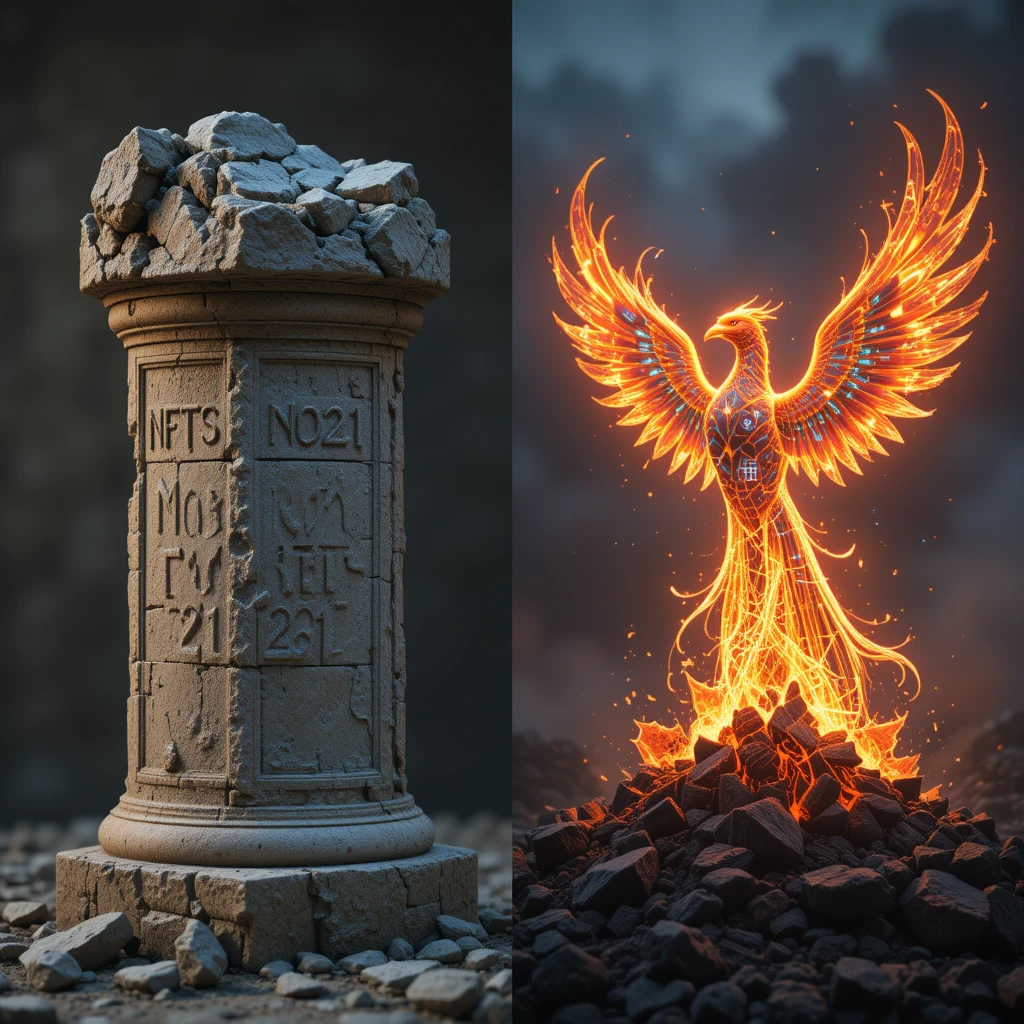
NFTs (Non-Fungible Tokens) took the world by storm between 2020 and 2022, with digital art selling for millions, celebrities jumping on the bandwagon, and blockchain enthusiasts hailing them as the future of ownership. But by 2023, the hype had faded—sales plummeted, scams were exposed, and critics declared NFTs a dead trend.
Now, in 2025, the conversation has shifted. Are NFTs truly dead, or are we witnessing a new wave of innovation? Some argue that the bubble has burst, while others believe NFTs in 2025 are evolving beyond speculative assets into practical tools for gaming, identity, and real-world assets.
This blog explores whether Non-Fungible Tokens in 2025 are a relic of the past or the foundation of a new digital economy.

The State of NFTs in 2025
The market in 2025 looks very different from its peak in 2021-2022. While trading volumes are nowhere near the frenzied highs of the past, the industry has matured.
- Market Consolidation: Many low-quality projects have disappeared, leaving only serious players with real utility.
- Institutional Adoption: Major brands, artists, and even governments are experimenting with NFTs for ticketing, certifications, and digital collectibles.
- Shift in Use Cases: Instead of just JPEGs, NFTs in 2025 are being used for in-game assets, tokenized real estate, and even legal contracts.
While the speculative frenzy is over, NFTs are finding sustainable applications—suggesting they may be here to stay, just in a different form.
Why Some Believe NFTs Are Dead
In 2025 are a failed experiment, pointing to several key issues:
1. The Bubble Burst
After the 2022 crash, many NFT collections lost 90%+ of their value. Projects like Bored Ape Yacht Club, once selling for millions, now trade at fractions of their peak prices.
2. Scams and Rug Pulls
Fraudulent projects, fake celebrity endorsements, and Ponzi schemes eroded trust. Many investors lost money, making them wary of NFTs.
3. Declining Hype
Google Trends and social media mentions of NFTs have dropped significantly. Without viral hype, some believe NFTs in 2025 lack mainstream appeal.
4. Competition from New Tech
AI-generated art and immersive metaverse experiences have shifted attention away from static NFT collections.
For these reasons, skeptics say Non-Fungible Tokens are a dead trend—just another overhyped crypto fad.
Why Others Believe NFTs Are Making a Comeback
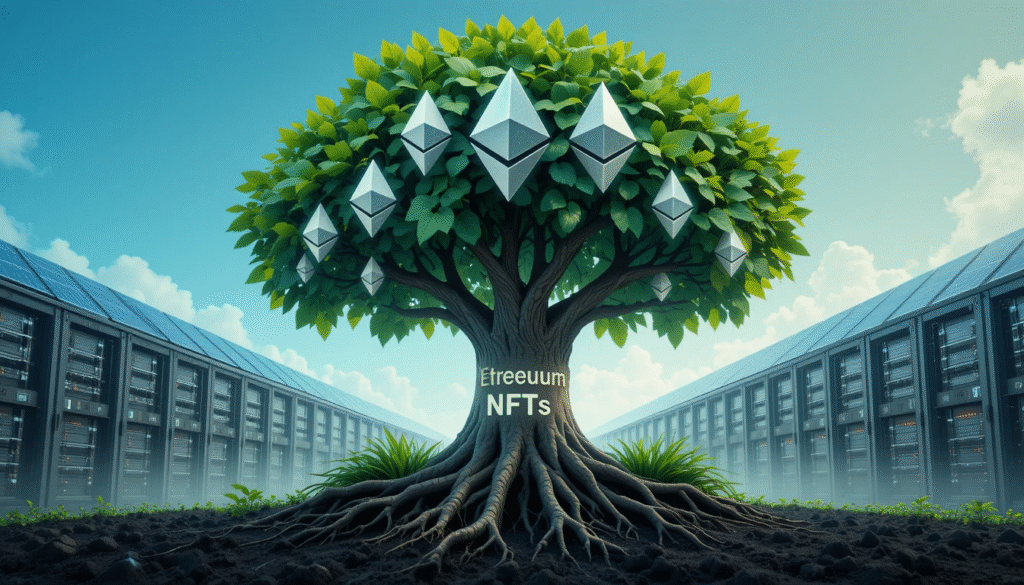
Despite the naysayers, many argue that in 2025 are entering a new, more sustainable phase. Here’s why:
1. Real-World Utility
NFTs are no longer just about digital art. They’re being used for:
- Gaming: True ownership of in-game items (e.g., skins, weapons).
- Ticketing: Preventing fraud in event tickets and travel passes.
- Identity Verification: Secure digital IDs and certifications.
2. Big Brands & Institutions Are Still Investing
Companies like Nike, Disney, and even universities are using Non-Fungible Tokens for loyalty programs, digital merchandise, and credentialing.
3. Improved Technology
- Lower Gas Fees: Ethereum’s upgrades and Layer 2 solutions make transactions cheaper.
- Better UX: Wallets and marketplaces are more user-friendly than ever.
4. Fractional Ownership & DeFi Integration
NFTs are now being fractionalized, allowing multiple investors to own a piece of high-value assets (e.g., real estate, rare art).
These developments suggest that in 2025 aren’t dead—they’re just evolving.

NFTs in Gaming & Metaverse: A New Frontier?
One of the most promising areas for in 2025 is gaming and the metaverse.
1. Play-to-Earn (P2E) 2.0
Early P2E games like Axie Infinity collapsed due to unsustainable economies. Now, new models focus on:
- Sustainable tokenomics (not just speculation).
- Interoperability (using NFTs across multiple games).
2. Virtual Real Estate & Digital Fashion
Metaverse platforms (like Decentraland and The Sandbox) are seeing renewed interest as VR technology improves. NFTs power:
- Virtual land ownership.
- Wearable digital fashion (used in metaverse social spaces).
3. AI-Generated Game Assets
AI is now used to create dynamic, evolving NFTs that change based on gameplay—adding real utility beyond static images.
If gaming and metaverse adoption grows, in 2025 could become a cornerstone of digital economies.
Regulatory Impact: How Laws Shaped NFTs in 2025
Regulation has played a huge role in the current state of Non-Fungible Tokens in 2025.
1. Crackdown on Fraud
Governments have imposed stricter KYC (Know Your Customer) rules on marketplaces, reducing scams.
2. Securities Laws
Some NFTs are now classified as securities, forcing projects to comply with financial regulations.
3. Tax & Reporting Requirements
Countries like the U.S. and EU now require Non-Fungible Tokens capital gains reporting, making trading more transparent.
While regulation initially slowed growth, it has also legitimized the space—making in 2025 more trustworthy for mainstream adoption.
The Environmental Debate: Are NFTs Greener Now?
One of the biggest criticisms of Non-Fungible Tokens was their environmental impact. But in 2025, things have improved:
1. Ethereum’s Shift to Proof-of-Stake (PoS)
Ethereum’s energy consumption dropped by ~99% after its PoS upgrade, making Non-Fungible Tokens transactions much greener.
2. Eco-Friendly Blockchains
Newer chains like Solana, Tezos, and Polygon use far less energy than Bitcoin or old Ethereum.
3. Carbon-Neutral Non-Fungible Tokens Projects
Many creators now offset their NFT emissions, appealing to eco-conscious buyers.
While concerns remain, in 2025 are far more sustainable than before.

The Future of Non-Fungible Tokens: Predictions Beyond 2025
Where do NFTs in 2025 go from here? Some possibilities:
1. Mass Adoption in Digital Identity
NFTs could replace passports, driver’s licenses, and academic certificates.
2. AI + NFTs = Dynamic Digital Assets
Imagine NFTs that evolve based on real-world data or user interactions.
3. Mainstream Financial Use
Tokenized stocks, real estate, and even loans could all be NFT-based.
4. A New Wave of Speculation?
If another bull run happens, NFTs could surge again—but hopefully with more substance.
Conclusion: Dead Trend or New Wave?
So, are NFTs in 2025 a dead trend or the start of a new wave? The answer is nuanced.
- For speculators and meme NFTs? Mostly dead.
- For utility-driven, real-world applications? Just getting started.
NFTs are no longer just about hype—they’re becoming a tool for ownership, identity, and digital economies. Whether they reach mainstream success depends on continued innovation, regulation, and adoption.
One thing is clear: NFTs in 2025 are not the same as they were in 2021. They’ve evolved—and that evolution may just be beginning.